

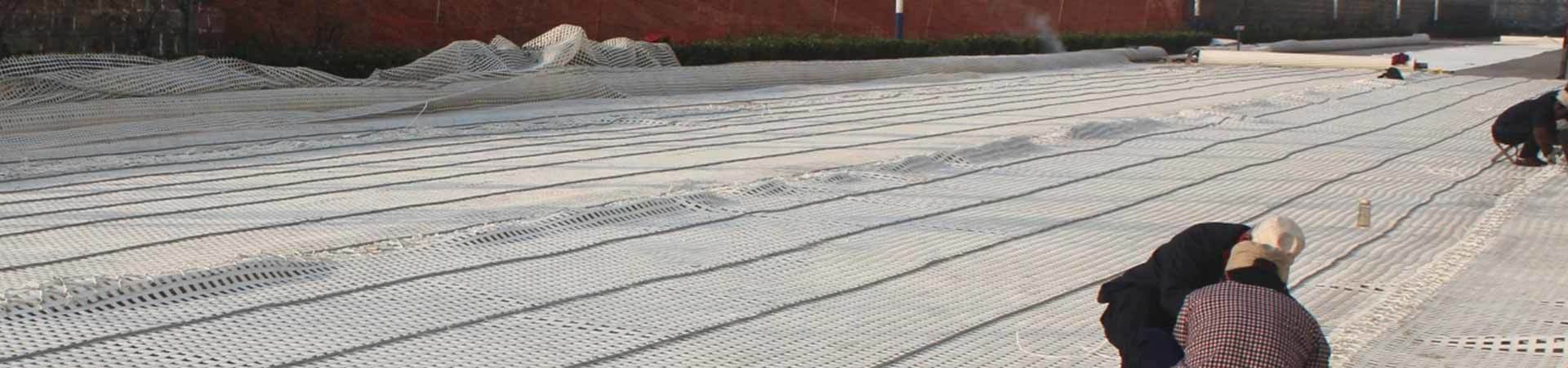
Exploring the various models of geotextiles
Release Time:
2024-11-09

Geotextiles are synthetic fabrics that are used in various civil engineering and construction applications to improve the stability, strength, and durability of soil. There are several different types of geotextiles available on the market, each with its own unique characteristics and properties.
One common type of geotextile is known as non-woven geotextile. Non-woven geotextiles are made by bonding or interlocking synthetic fibers together through a mechanical, thermal, or chemical process. This type of geotextile is known for its high tensile strength, puncture resistance, and excellent filtration properties. Non-woven geotextiles are commonly used in applications such as road construction, erosion control, and drainage systems.
Another type of geotextile is woven geotextile. Woven geotextiles are made by weaving synthetic fibers together to create a strong and durable fabric. Woven geotextiles are known for their high tensile strength, puncture resistance, and stability under heavy loads. These geotextiles are commonly used in applications such as soil stabilization, reinforcement of retaining walls, and separation of different soil layers.
A third type of geotextile is known as a composite geotextile. Composite geotextiles are made by combining different types of geotextiles, such as non-woven and woven geotextiles, to create a fabric with enhanced properties. Composite geotextiles are known for their versatility and ability to provide multiple functions in a single product. These geotextiles are commonly used in applications such as landfill liners, railway ballast reinforcement, and coastal protection.
Overall, geotextiles play a crucial role in modern construction and civil engineering projects. By choosing the right type of geotextile for each specific application, engineers can ensure the stability, durability, and long-term performance of their projects. Whether it's non-woven, woven, or composite geotextiles, each type offers unique benefits and advantages that can help engineers achieve their project goals successfully.
Related News
Our Main Products
Contact Us
Address:No. 366, Industrial Park North Road, Beijipo District, High-tech Zone, Taian City, Shandong Province,China
Get a Free Quote


