

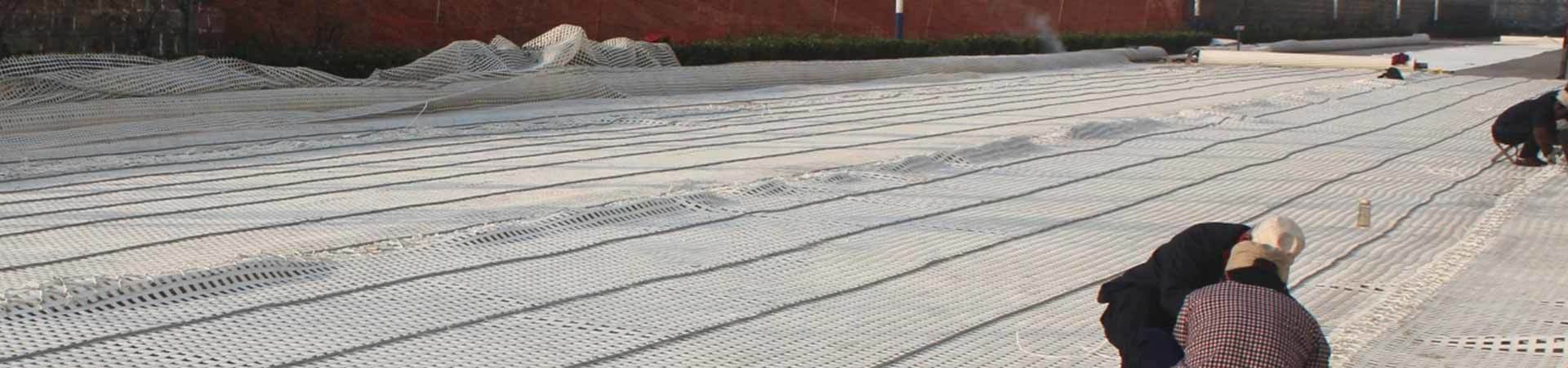
What is the function and characteristics of geogrids
Release Time:
2024-02-24

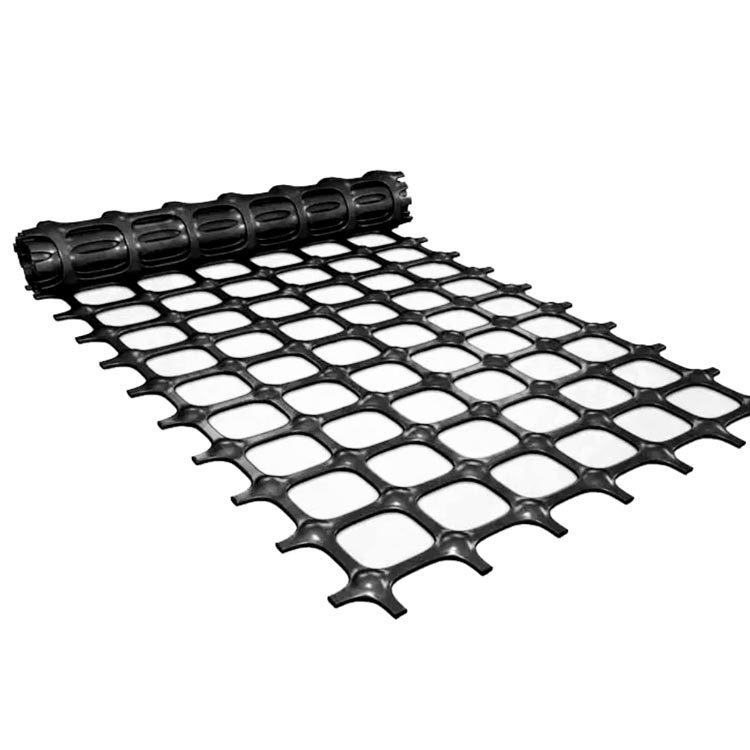
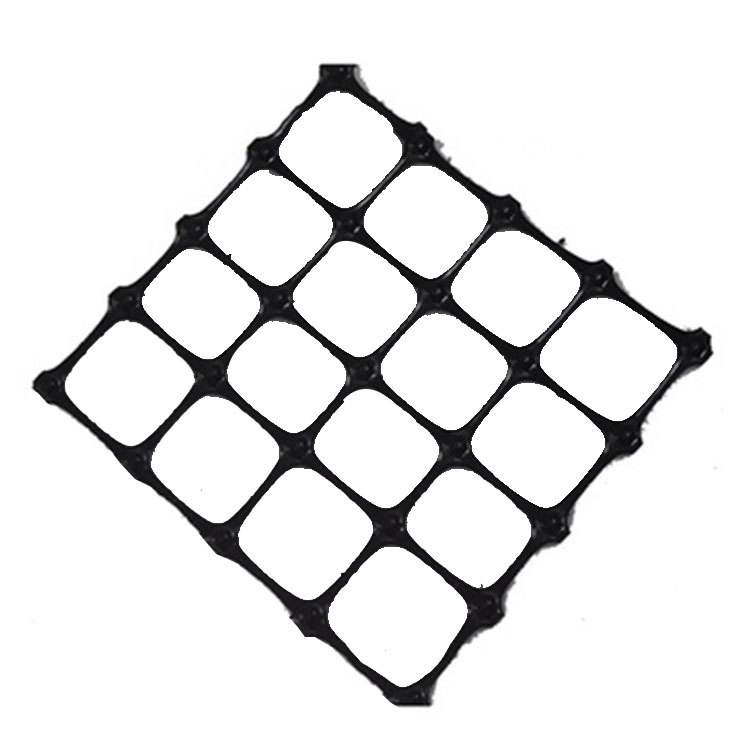
Geogrid is a geosynthetic material made of high-strength polymers or fiberglass, with a grid like structure. It is mainly used in civil engineering to enhance the bearing capacity and tensile strength of soil, reduce soil settlement and lateral displacement, and increase the stability and bearing capacity of soil. Geogrids are usually laid between different layers of soil, and through their grid structure, the soil is anchored to each other, improving the overall stress performance. Geogrids are widely used in fields such as highways, railways, earth and rock dams, retaining walls, and drainage engineering.
 |
 |
 |
 |
 |
Geogrids are usually made of high polymer materials such as polypropylene, polyethylene, or fiberglass. Geogrids made of different materials have different characteristics and applicable ranges:
Polypropylene (PP) geogrid: With high tensile strength and stiffness, it is suitable for soil reinforcement, soil slope protection and other engineering projects.
Polyethylene (HDPE) geogrid: With excellent aging resistance and UV resistance, it is suitable for engineering projects exposed to outdoor environments for a long time.
Fiberglass geogrid: It has high strength, corrosion resistance, and high temperature resistance, and is suitable for some special engineering environments.
 |
 |
 |
 |
 |
Strengthening soil: Geogrids can be used to enhance the bearing capacity and tensile strength of soil, improve the stability of soil, reduce settlement and deformation, and are commonly used in engineering such as soil slopes and retaining walls.
Suppressing lateral displacement of soil: Geogrids can effectively suppress lateral displacement of soil, improve the overall anti overturning ability of soil, and are commonly used to reinforce roadbeds, railway embankments, and other engineering projects.
Separation layer function: Geogrids can form separation layers between different soil layers, preventing mixing and mutual pollution between different soil layers, and maintaining the original performance of the soil layers.
Improving drainage performance: The setting of geogrids can help soil drainage, prevent internal water accumulation, improve soil drainage performance, and reduce liquid erosion of the soil.
Culvert support: During the construction of culverts, geogrids can be used to support and reinforce the soil at the entrance, ensuring the structural safety of the entrance.
Soil protection and environmental protection: Geogrids can be used for environmental restoration projects such as soil protection and land remediation, and have a positive effect on environmental protection.
In summary, geogrids have a wide range of applications in civil engineering, which can improve the stability, safety, and durability of engineering. They are an important geosynthetic material.
Related News
Our Main Products
Contact Us
Address:No. 366, Industrial Park North Road, Beijipo District, High-tech Zone, Taian City, Shandong Province,China
Get a Free Quote


