

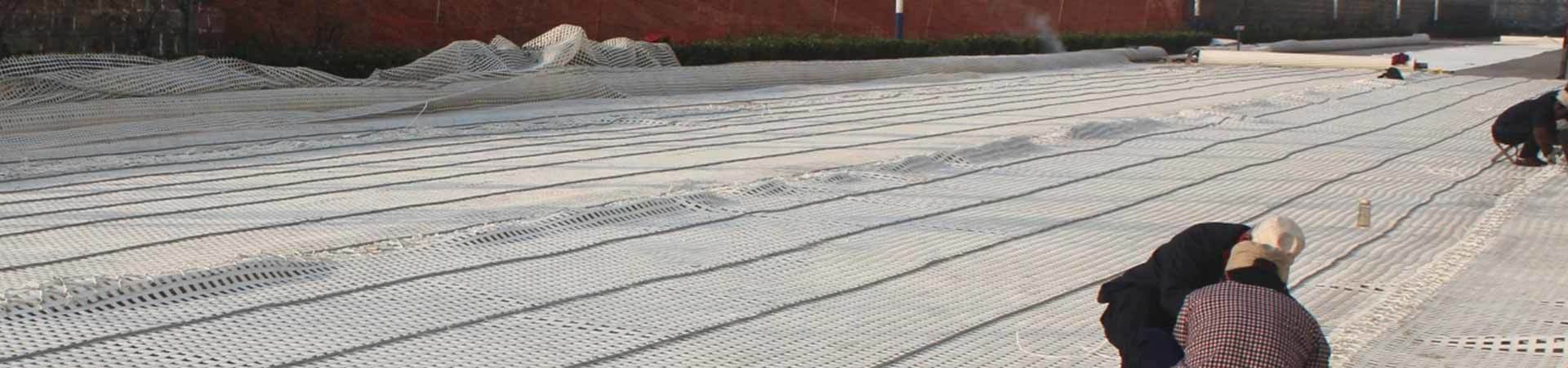
The Differences between Textured Geomembranes and Smooth Geomembranes
Release Time:
2024-04-01

Textured geomembranes and smooth geomembranes are two common types of geomembranes used in various applications such as containment ponds, landfills, and mining operations. While both serve the purpose of providing a barrier to prevent leakage and contamination, there are key differences between them that make each suitable for different types of projects.
One of the main differences between textured geomembranes and smooth geomembranes is their surface texture. Textured geomembranes have a rough surface, typically with a pattern of ribs or studs, which helps improve friction and stability when placed on slopes or uneven surfaces. This texture also enhances the interface friction between the geomembrane and the underlying soil, providing better stability and resistance to sliding.
On the other hand, smooth geomembranes have a flat, smooth surface without any texture. While smooth geomembranes may not offer the same level of friction and stability as textured geomembranes, they are often preferred in applications where a smooth surface is required, such as in decorative ponds or water containment structures where aesthetics are important.
Another key difference between textured geomembranes and smooth geomembranes is their installation and handling. Textured geomembranes are generally more flexible and easier to handle, making them ideal for projects that require bending and conforming to irregular shapes. Smooth geomembranes, on the other hand, may be more rigid and less forgiving when it comes to installation on uneven surfaces.
In terms of performance, both textured and smooth geomembranes offer excellent resistance to chemicals, UV exposure, and environmental stressors. However, the choice between the two will depend on the specific requirements of the project, including the need for friction, stability, aesthetics, and ease of installation.
Ultimately, the decision between textured geomembranes and smooth geomembranes will depend on the unique requirements of each project. It is important to consult with a geomembrane specialist to determine the most suitable option based on factors such as site conditions, installation methods, and performance expectations.
As a professional geomembrane supplier, we offer a wide range of textured and smooth geomembranes to meet the diverse needs of our customers. Our experienced team can provide expert guidance and assistance in selecting the right geomembrane for your project, ensuring optimal performance and long-lasting durability. Contact us today to learn more about our geomembrane products and services
Previous:
Related News
Our Main Products
Contact Us
Address:No. 366, Industrial Park North Road, Beijipo District, High-tech Zone, Taian City, Shandong Province,China
Get a Free Quote


