

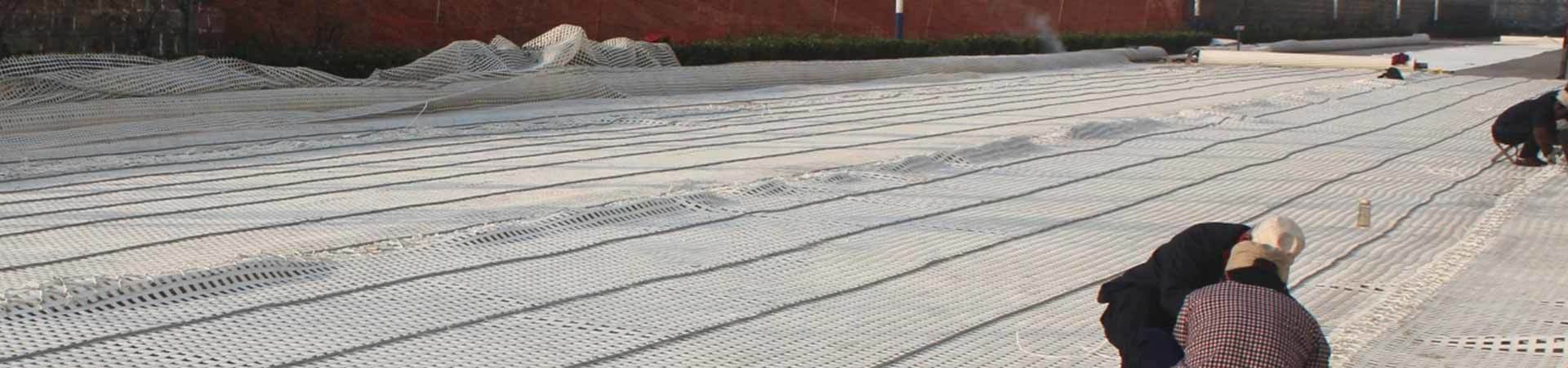
A detailed look at the manufacturing process of geotextile bags
Release Time:
2024-06-24

The production process of geotextile bags involves several key steps to ensure high quality and durability.
First, the raw materials, typically polypropylene or polyester fibers, are carefully selected for their strength and durability. These materials are then spun into yarns and woven into a fabric with specific properties to meet the requirements of the project.
Next, the fabric is cut into the desired size and shape for the geotextile bags. These bags can vary in size depending on the project specifications, ranging from small bags for erosion control to large bags for retaining walls.
The fabric pieces are then sewn together using high-strength stitching techniques to create a strong and durable bag. The seams are reinforced to prevent any tearing or fraying, ensuring that the bags can withstand the rigors of the construction site.
Once the bags are sewn together, they are filled with a suitable material such as sand, gravel, or soil. This filling process is carefully monitored to ensure that the bags are filled to the correct capacity and density for their intended use.
After filling, the bags are closed securely to prevent any spillage or leakage of the contents. This can be done using a variety of closure methods, such as sewing, heat sealing, or tying off the bags.
Finally, the finished geotextile bags are inspected for quality control purposes to ensure that they meet the specifications and requirements of the project. Any bags that do not meet the standards are rejected and replaced with new ones.
Overall, the production process of geotextile bags requires careful attention to detail and quality control to ensure that the bags are strong, durable, and able to withstand the demands of the construction site. If you are looking for high-quality geotextile bags for your project, look no further than our professional sales team who can provide you with the best products to meet your specific needs.
Related News
Our Main Products
Contact Us
Address:No. 366, Industrial Park North Road, Beijipo District, High-tech Zone, Taian City, Shandong Province,China
Get a Free Quote


