

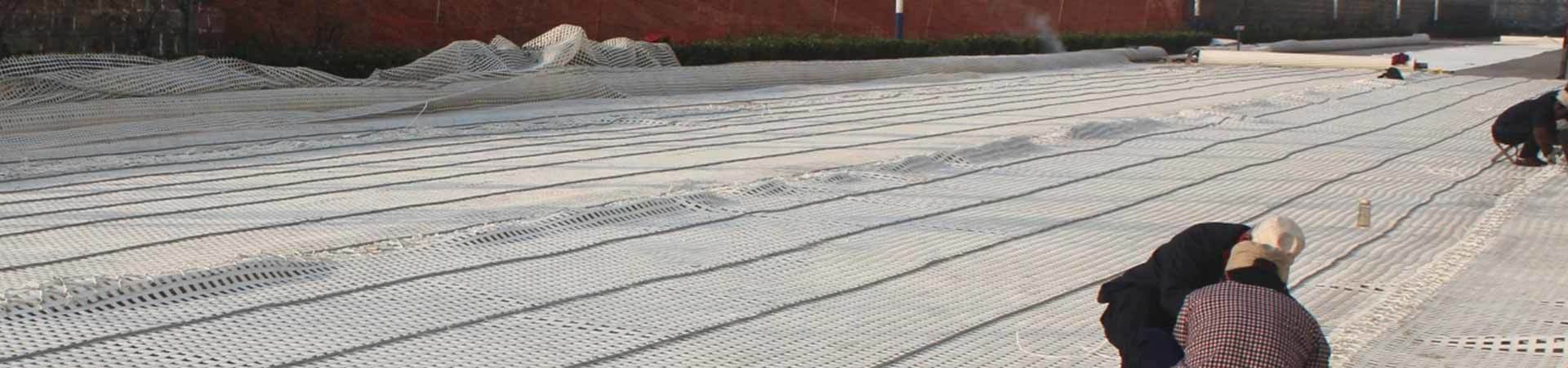
River geomembrane: Eco-friendly protection for rivers.
Release Time:
2024-08-12

Riverbank geomembrane may potentially have both positive and negative impacts on the river channel, depending on various factors such as material quality, installation techniques, and maintenance practices. Geomembranes are often used in riverbank protection projects to prevent erosion, manage sediment transport, and stabilize the riverbanks. However, if not properly installed or maintained, geomembranes can have negative consequences for the river ecosystem and surrounding environment.
One of the potential benefits of using geomembranes in river channels is their ability to reduce erosion and sediment transport. By creating a barrier between the water and the riverbank, geomembranes can help prevent soil erosion and protect the riverbank from being washed away during periods of high flow. This can be particularly important in urban areas where rivers are often surrounded by infrastructure and development, increasing the risk of erosion and sedimentation.
Additionally, geomembranes can also help stabilize the riverbanks and prevent slope failures. By reinforcing the soil and providing structural support, geomembranes can help prevent landslides and collapses along the river's edge. This can be crucial for protecting nearby properties and infrastructure from damage caused by riverbank instability.
However, there are also potential drawbacks to using geomembranes in river channels. One concern is the potential for geomembranes to trap sediment and pollutants, leading to water quality issues downstream. If not properly designed or maintained, geomembranes can become clogged with sediment, reducing their effectiveness and potentially causing a buildup of pollutants in the river.
Furthermore, geomembranes can also disrupt natural habitat and wildlife in the river channel. By creating a barrier between the water and the riverbank, geomembranes can prevent access to important habitats for aquatic organisms and disrupt the flow of nutrients and sediment along the river. This can have negative impacts on the biodiversity and ecological health of the river ecosystem.
In conclusion, while riverbank geomembranes can provide important benefits for erosion control and riverbank stabilization, they also have the potential to cause harm if not properly designed, installed, and maintained. It is essential to consider the potential impacts of geomembranes on the river ecosystem and surrounding environment, and to implement appropriate measures to mitigate any negative consequences. Proper planning, monitoring, and maintenance practices are crucial to ensure that geomembranes are used effectively and sustainably in river channels.
Related News
Our Main Products
Contact Us
Address:No. 366, Industrial Park North Road, Beijipo District, High-tech Zone, Taian City, Shandong Province,China
Get a Free Quote


