

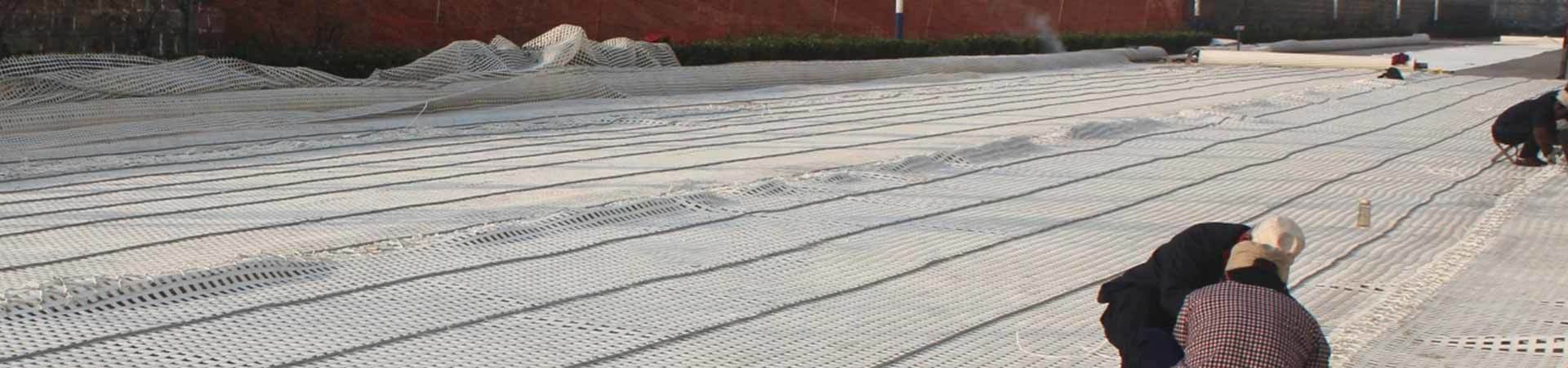
Maximize Efficiency: Perfecting the Sequence of Geogrid Installation
Release Time:
2024-09-11

When it comes to laying out a geotextile fabric in a construction project, it's important to follow a specific sequence to ensure that it is properly installed and functions effectively. Geotextile fabrics are used to separate, filter, strengthen, or protect soil and can play a critical role in the overall performance of a project. Here are the key steps to follow when laying out a geotextile fabric in a construction project:
1. Site Preparation:
Before laying out the geotextile fabric, it's essential to properly prepare the site. This may involve clearing the area of debris, leveling the ground, and ensuring that the soil is compacted and free of any sharp objects that could puncture the fabric.
2. Unrolling the Fabric:
Once the site is prepared, the next step is to unroll the geotextile fabric across the desired area. It's important to ensure that the fabric is laid out smoothly and without any wrinkles or folds, as this can affect its performance.
3. Overlapping Seams:
When laying out multiple rolls of geotextile fabric, it's important to overlap the seams to ensure a continuous barrier. The amount of overlap required will depend on the specific type of fabric being used and the requirements of the project.
4. Securing the Fabric:
To prevent the geotextile fabric from shifting or moving during construction, it's important to secure it in place. This can be done using stakes, pins, or other methods to ensure that the fabric remains in position until the next layers of construction are added.
5. Adding Fill Material:
Once the geotextile fabric is securely in place, the next step is to add fill material on top of it. This may involve adding soil, gravel, or other materials as required by the project specifications. The geotextile fabric will help to separate the fill material from the underlying soil and prevent them from mixing together.
6. Compaction:
After the fill material has been added, it's important to properly compact it to ensure stability and prevent settling. This may involve using compaction equipment such as rollers or compactors to achieve the desired density of the fill material.
By following these steps in the proper sequence, you can ensure that the geotextile fabric is installed correctly and will perform effectively in your construction project. Proper installation of geotextile fabric is essential for the long-term success of the project and can help to prevent issues such as soil erosion, instability, and drainage problems.
Related News
Our Main Products
Contact Us
Address:No. 366, Industrial Park North Road, Beijipo District, High-tech Zone, Taian City, Shandong Province,China
Get a Free Quote


