


Longevity-Assured HDPE Geomembrane for Agricultural Ponds
- Commodity name: Longevity-Assured HDPE Geomembrane for Agricultural Ponds
- Description
-
Introduction
Slope protection geomembranes are widely used in various applications to prevent erosion and stabilize the soil on slopes. These geomembranes are typically made of durable, impermeable materials such as high-density polyethylene (HDPE) or polypropylene, which provide excellent resistance to UV radiation, chemicals, and mechanical stress.
One common application of slope protection geomembranes is in the construction of landfills. These geomembranes are used as a barrier to prevent leachate from contaminating the surrounding soil and groundwater. By lining the slopes of the landfill with geomembranes, potential environmental hazards can be minimized, and the overall stability of the landfill can be improved.
Another important application of slope protection geomembranes is in the construction of retaining walls. These geomembranes are installed behind the retaining wall structure to prevent soil erosion and water infiltration, which could weaken the stability of the wall. By using geomembranes in conjunction with other reinforcement materials, such as geotextiles and gabions, the overall strength and durability of the retaining wall can be significantly enhanced.
Slope protection geomembranes are also commonly used in erosion control applications, such as on embankments, slopes, and riverbanks. By installing geomembranes along the vulnerable areas, the risk of soil erosion caused by water runoff and wind can be greatly reduced. This helps to preserve the natural landscape and prevent potential damage to infrastructure and property.
In addition to these applications, slope protection geomembranes can also be used in stormwater management systems, canal linings, and agricultural engineering projects. These geomembranes play a crucial role in enhancing the overall stability and longevity of the structures, while also providing environmental protection and ensuring sustainable development.
Overall, slope protection geomembranes have a wide range of applications in various industries, including civil engineering, environmental protection, and agriculture. Their versatility, durability, and effectiveness make them an essential component in the construction and maintenance of slopes, embankments, and other earthworks projects. By utilizing slope protection geomembranes, engineers and contractors can ensure the long-term success and sustainability of their projects, while also contributing to the preservation of the natural environment.Video Showcase
Applications
Chemical reaction tanks are broadly used in a range of industries, such as chemical processing, pharmaceutical manufacturing, and wastewater treatment. These tanks are necessary for carrying out a large vary of reactions, such as mixing, heating, cooling, and storing chemicals.
One critical thing in chemical response tanks is the use of geomembranes, additionally recognized as geosynthetic liners. Geomembranes are impermeable membranes that are positioned inside the tank to forestall leakage of chemical substances or liquids. These liners are usually made from substances such as high-density polyethylene (HDPE) or polyvinyl chloride (PVC), which are resistant to chemical degradation and can stand up to harsh working conditions.
The utility of geomembranes in chemical response tanks serves various essential purposes. Firstly, they grant a barrier to shield the surroundings from workable leaks or spills of hazardous chemicals. This is necessary for complying with environmental guidelines and making sure secure operation of the tank.
Secondly, geomembranes assist to preserve the integrity of the tank shape by using stopping corrosion and erosion triggered by way of chemical exposure. This extends the lifespan of the tank and reduces preservation prices over time.
Furthermore, geomembranes can be personalized to swimsuit the particular necessities of the chemical response process. They can be manufactured in a number thicknesses and strengths to face up to the strain and temperature prerequisites inner the tank. Additionally, geomembranes can be designed with distinct aspects such as anti-slip surfaces or UV stabilization for outside applications.
In conclusion, the use of geomembranes in chemical response tanks is quintessential for making sure safety, environmental protection, and the environment friendly operation of industrial processes. These liners play a essential position in containing hazardous substances, preserving tank integrity, and optimizing the overall performance of chemical reactions. By selecting the proper geomembrane fabric and design, industries can gain dependable and in your price range options for their chemical processing needs.
Working Drawing


Specifications
❶ Thickness: 0.2mm-3.0mm
❷ Width:1-10m
❸ Colour: black, green, blue, yellow
# Geosynthetics reserves the right to change the product specifications at any time.
Pack and Ship
Packaging: Standard packaging or customer's requirements
Lead time: Within 10-15 days after receiving the deposit payment
Producing Capacity: Two 40ft Containers per week


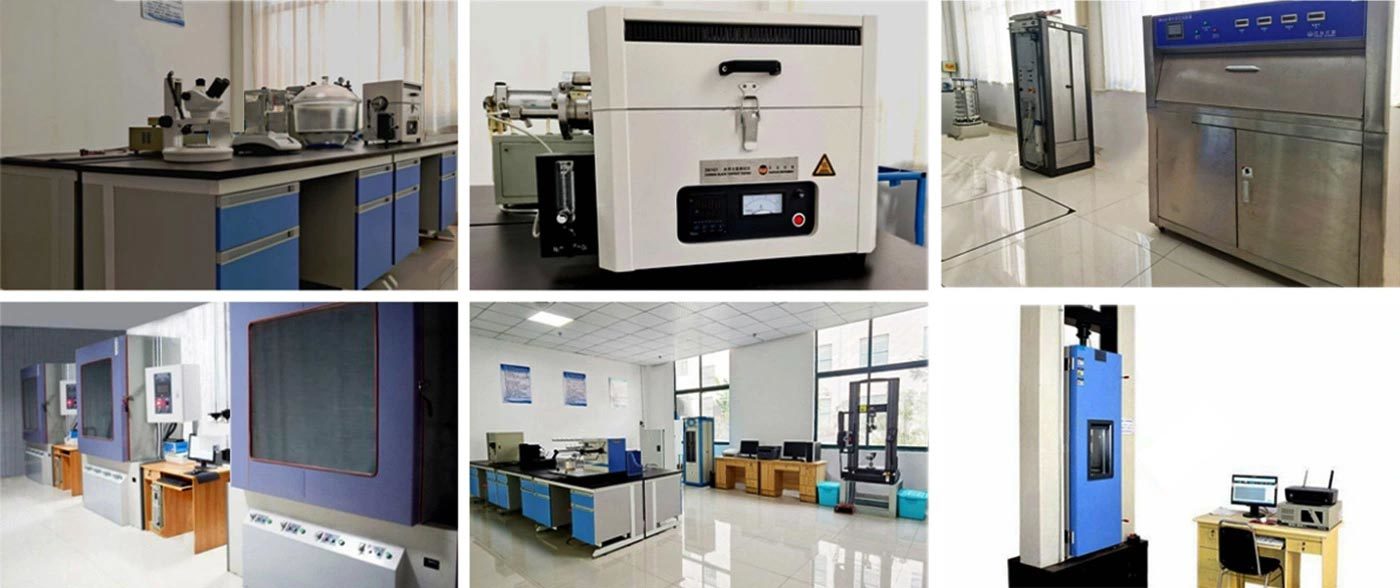
Testing equipment
FAQ
Q: What can you buy from us?
A: Geomembrane,Geogrid,Geocell, Geotextile, Geocomposite,
Q: Can I have a sample?
A: Yes. And sample free.
Q: What's the payment terms?
A: T/T or L/C. Others could be negotiated.
Q: What's the delivery time?
A: 3-20 days after confirming order, detail delivery date should be decided according to production season and order quantity.
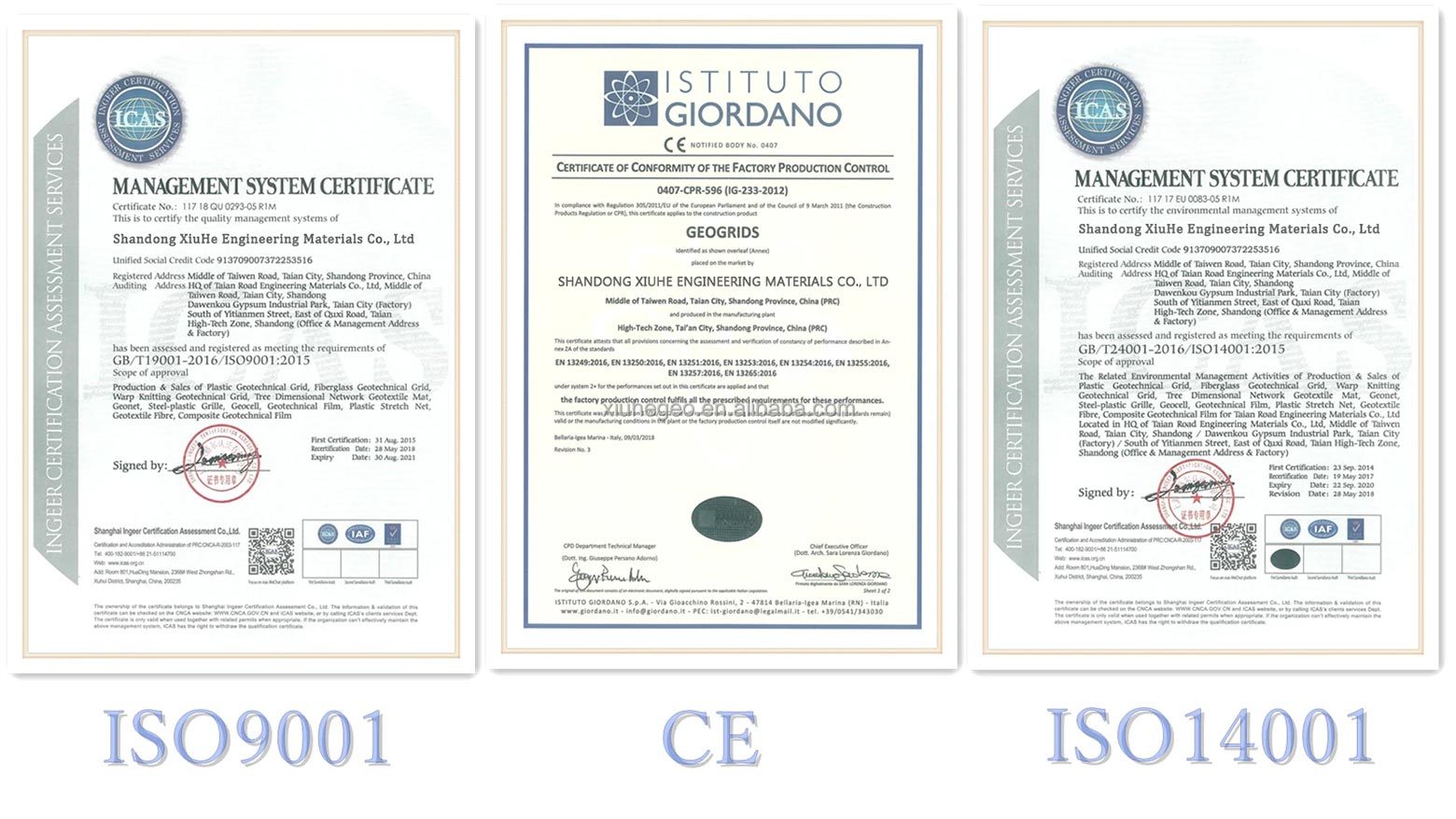
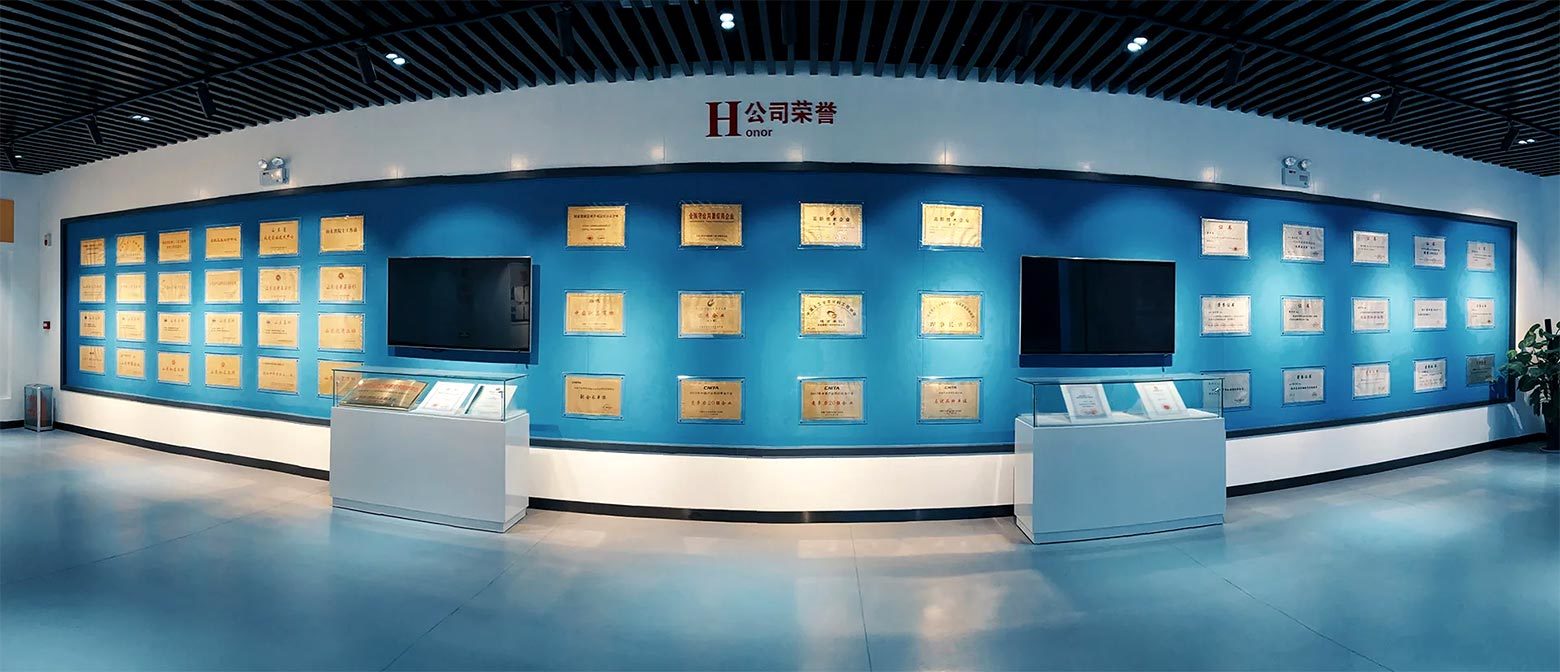
Certificate
Keywords:
Related Products

Our Main Products
Contact Us
Address:No. 366, Industrial Park North Road, Beijipo District, High-tech Zone, Taian City, Shandong Province,China
Get a Free Quote


