


Triaxial Geogrid Black PP Plastic Geogrid for Soil Reinforcement Construction
- Commodity name: Triaxial Geogrid Black PP Plastic Geogrid for Soil Reinforcement Construction
- Description
-
Introduction
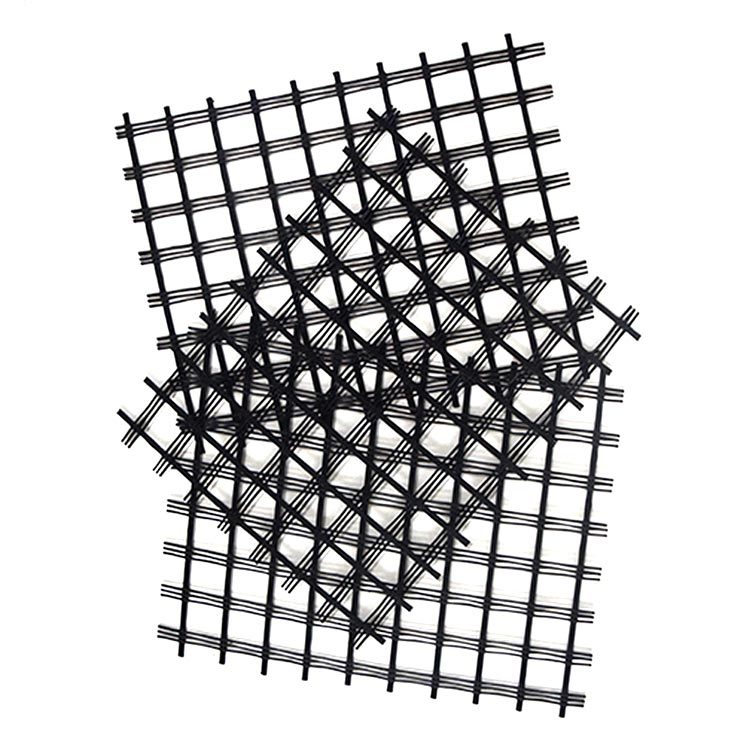
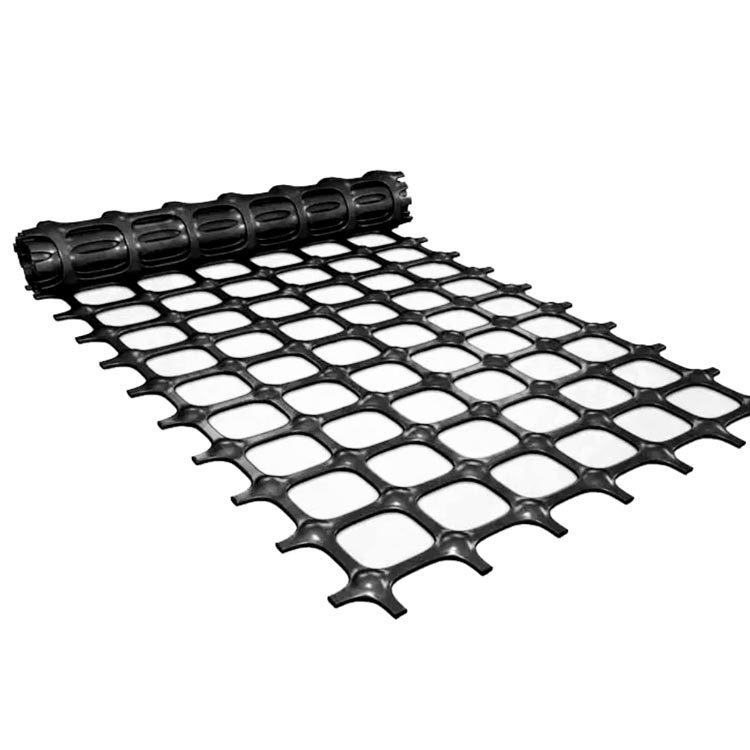
Triaxial geogrid is a type of geosynthetic material that is specifically designed to provide superior reinforcement in three dimensions. It is composed of high-strength polymer materials, typically polyethylene or polypropylene, that are extruded into a grid-like structure with interconnected ribs and junctions. This unique design allows the geogrid to distribute applied loads in multiple directions, providing increased stability and strength to soil structures.
Triaxial geogrids are commonly used in civil engineering projects such as road construction, embankment stabilization, and retaining wall reinforcement. They are known for their ability to improve the overall performance and longevity of geotechnical structures by reducing soil settlement, preventing lateral spreading, and increasing load-bearing capacity. With their excellent tensile strength, durability, and flexibility, triaxial geogrids are a reliable solution for enhancing the stability and reliability of various construction applications.Video Showcase
Applications
Triaxial geogrids are a type of geosynthetic material that is commonly used in civil engineering and construction projects. These geogrids are designed to provide reinforcement and stabilization to soil, making them ideal for a wide range of applications.
One of the main applications of triaxial geogrids is in road construction. By placing these geogrids within the layers of soil beneath a road surface, engineers can improve the overall strength and stability of the road. This helps to prevent cracking, rutting, and other forms of damage that can occur over time due to heavy traffic and changing weather conditions.
Triaxial geogrids are also commonly used in the construction of retaining walls and slopes. These geogrids help to reinforce the soil, preventing erosion and slippage that can compromise the structural integrity of these structures. By incorporating triaxial geogrids into the design of retaining walls and slopes, engineers can ensure that these structures remain stable and secure for years to come.
In addition to road construction and retaining walls, triaxial geogrids are also used in a variety of other applications, including landfills, embankments, and railway construction. These geogrids provide a cost-effective and efficient way to reinforce soil and improve the overall performance of a wide range of civil engineering projects.
Overall, triaxial geogrids play a crucial role in modern construction and civil engineering. By providing reinforcement and stabilization to soil, these geogrids help to enhance the durability and longevity of a wide range of structures and infrastructure projects. Whether in road construction, retaining walls, or other applications, triaxial geogrids are a valuable tool for engineers looking to improve the performance and reliability of their projects.Working Drawing


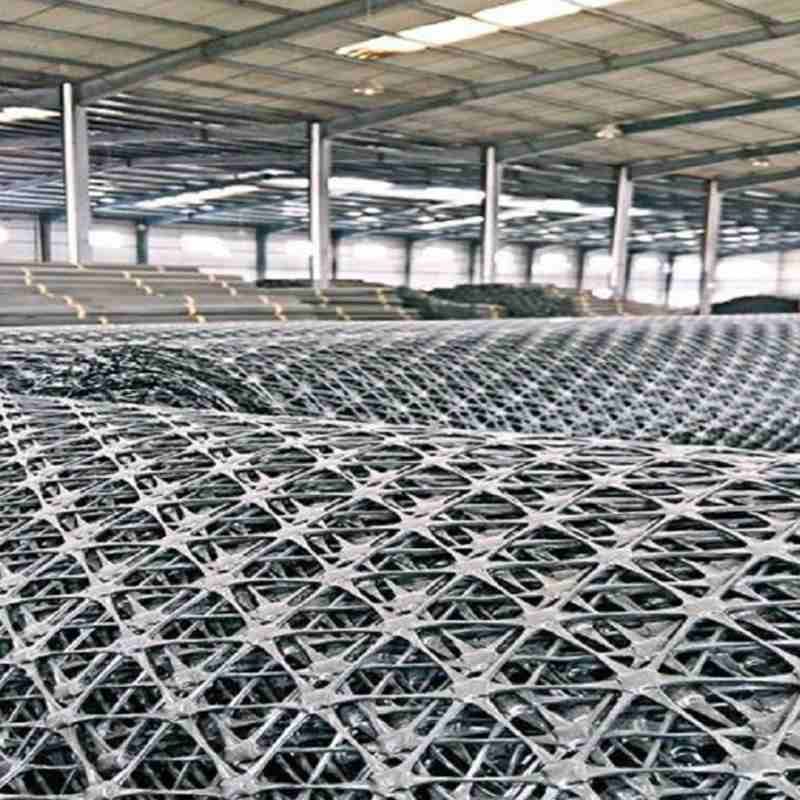
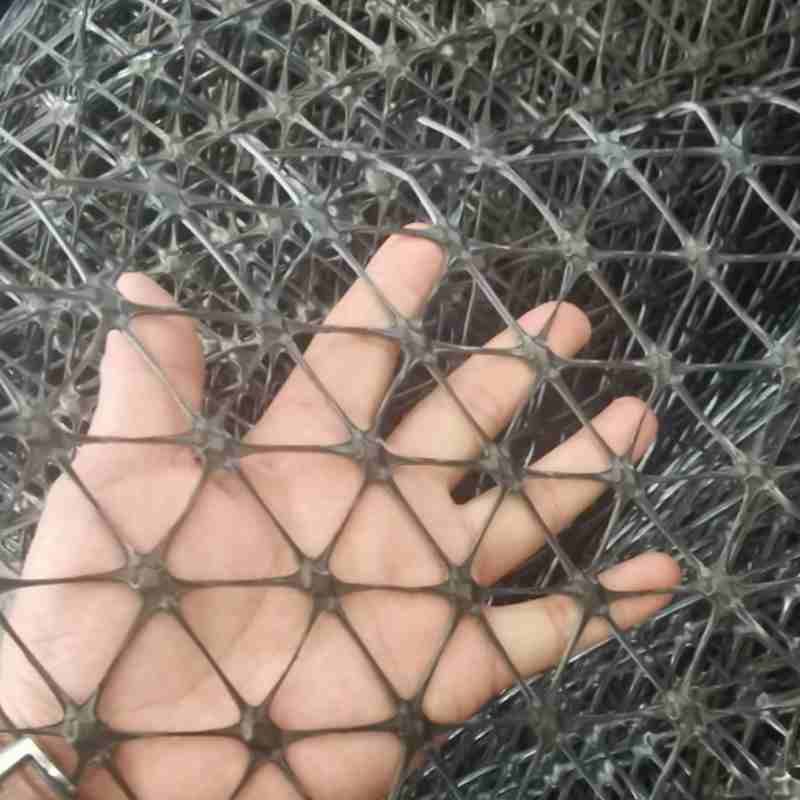
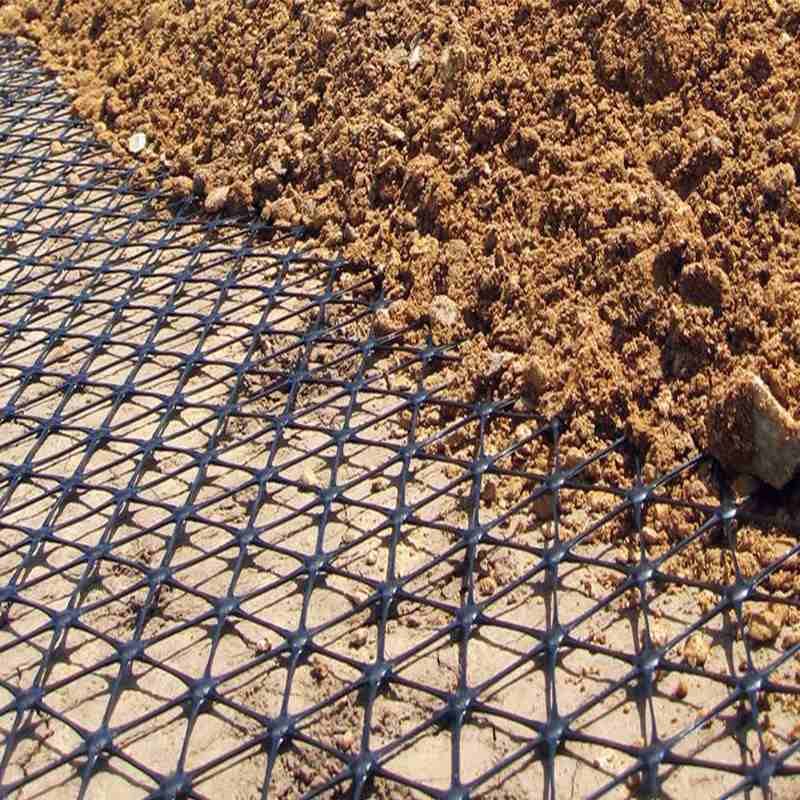
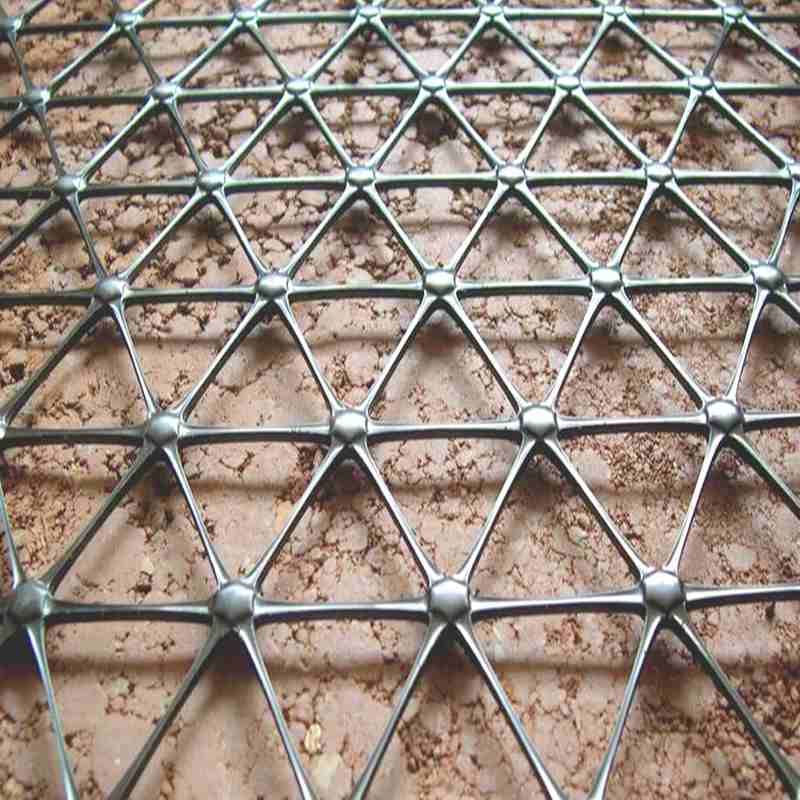
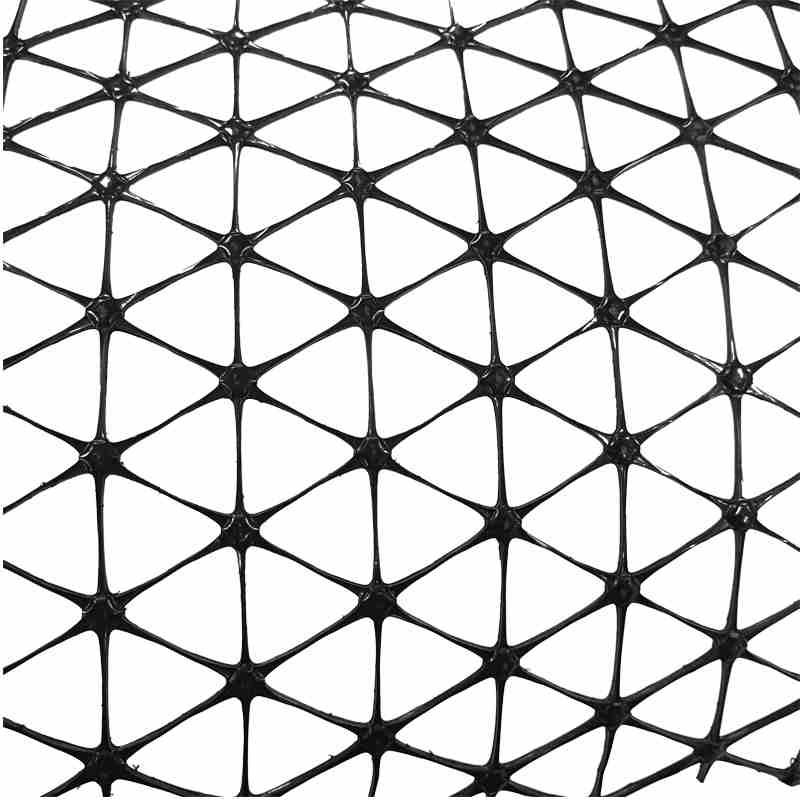
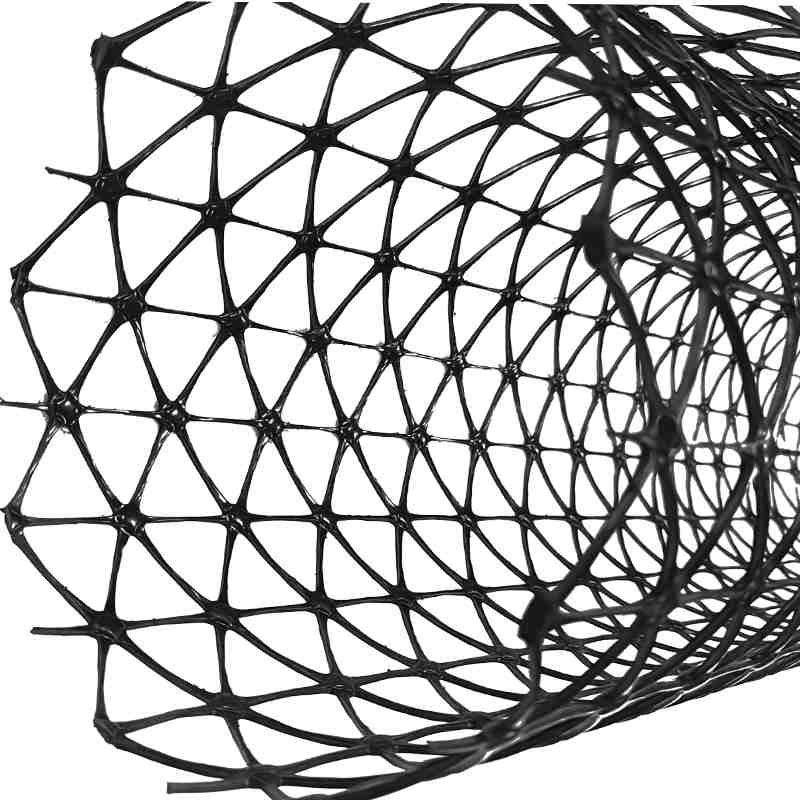
Specifications
Item
Test Method
Unit
Standard
Polymer
-
PP
Rib Middle Distance
-
mm
35
Minimum Carbon Black
ASTM D 4218
%
2
Radial Secant Stiffness at 2% Strain
ASTM D 6637
kN/m
225
Elongation
ASTM D 6637
%
13
Junction Efficiency
GRI GG2
%
96
Experimental Conditions
Temperature: 20℃
Roll Width
-
m
3.95
Roll Length
-
m
50
Note: MD = Machine Direction; TD = Transverse Direction.
(1) MD = Machine Direction; TD = Transverse Direction;
(2)Roll width can be 1m, 1.1m,1.3m,2m,2.2m or as per customized.
# Lin Yuan Geosynthetics reserves the right to change the product specifications at any time.
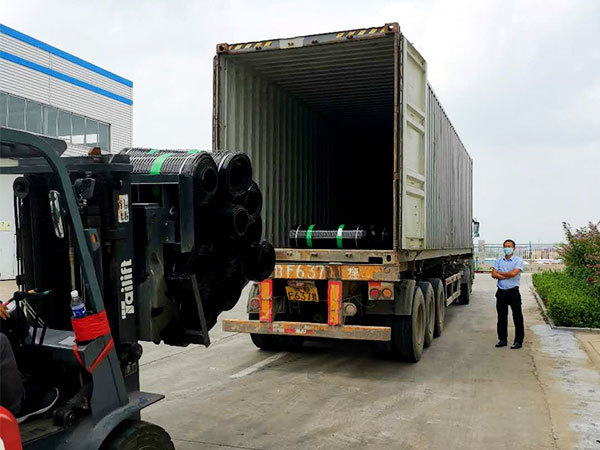
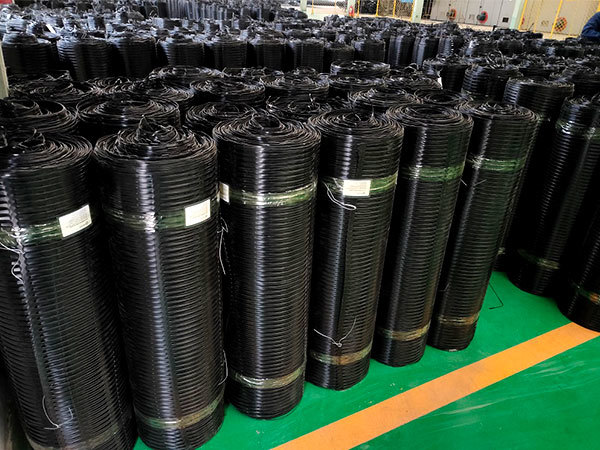
Pack and Ship
Packaging: Standard packaging or customer's requirements
Lead time: Within 10-15 days after receiving the deposit payment
Producing Capacity: Two 40ft Containers per week
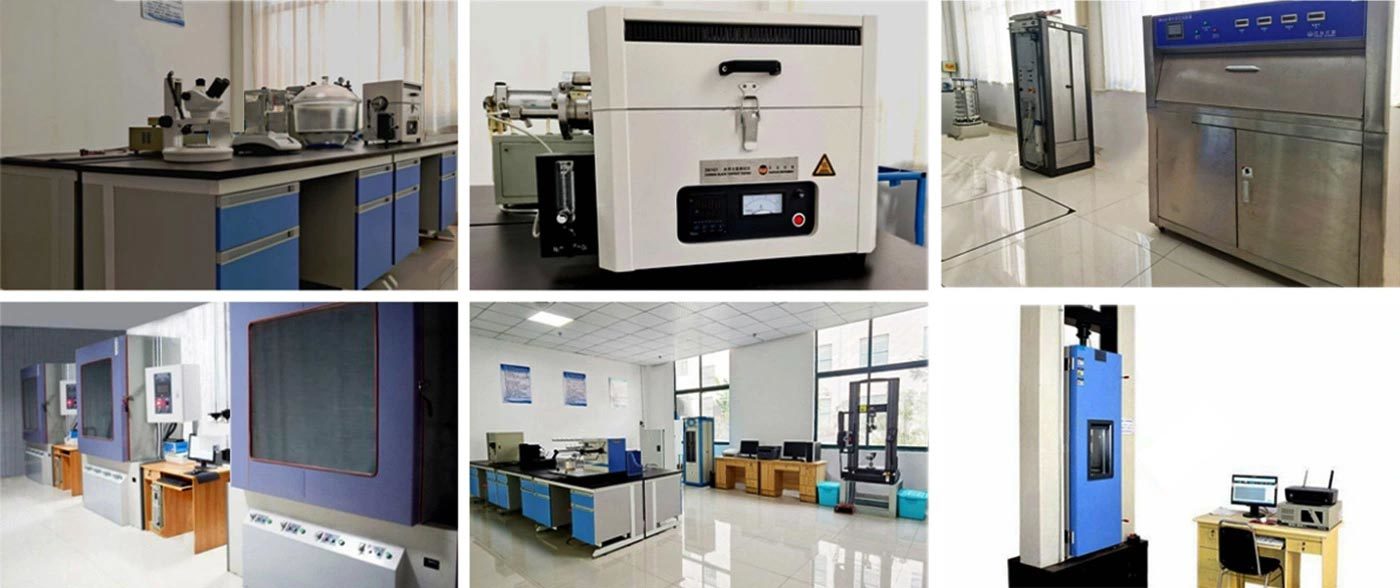
Testing equipment
FAQ
Q: What can you buy from us?
A: Geomembrane,Geogrid,Geocell, Geotextile, Geocomposite,
Q: Can I have a sample?
A: Yes. And sample free.
Q: What's the payment terms?
A: T/T or L/C. Others could be negotiated.
Q: What's the delivery time?
A: 3-20 days after confirming order, detail delivery date should be decided according to production season and order quantity.
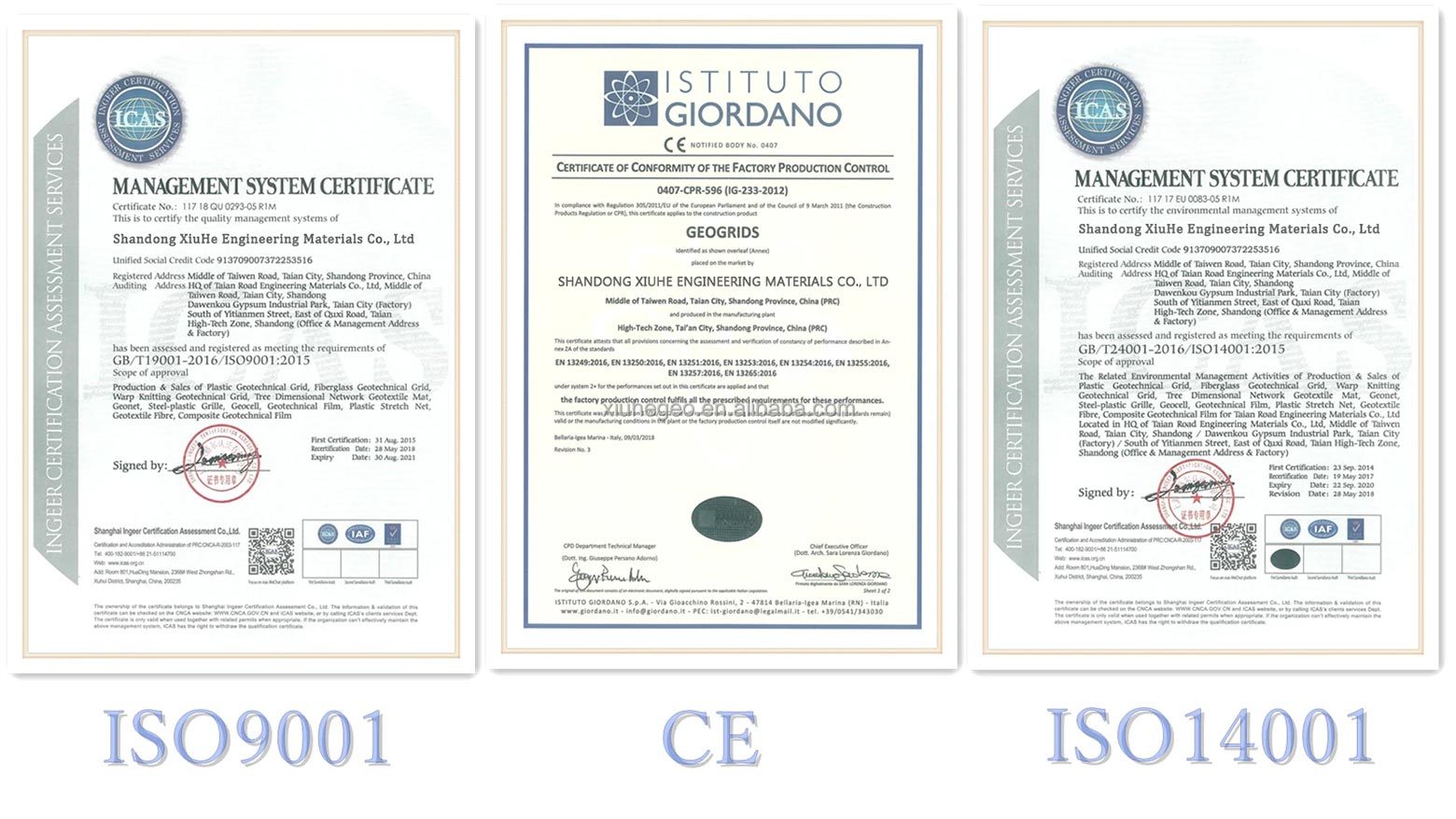
Certificate

Keywords:
Related Products

Our Main Products
Contact Us
Address:No. 366, Industrial Park North Road, Beijipo District, High-tech Zone, Taian City, Shandong Province,China
Get a Free Quote


