


Triaxial geogrids for civil engineering
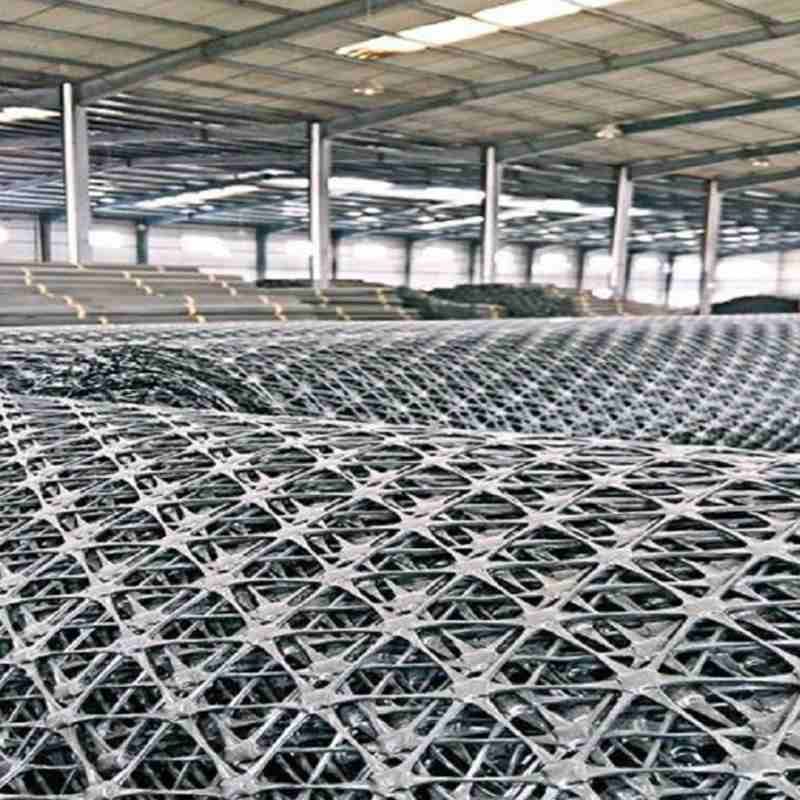
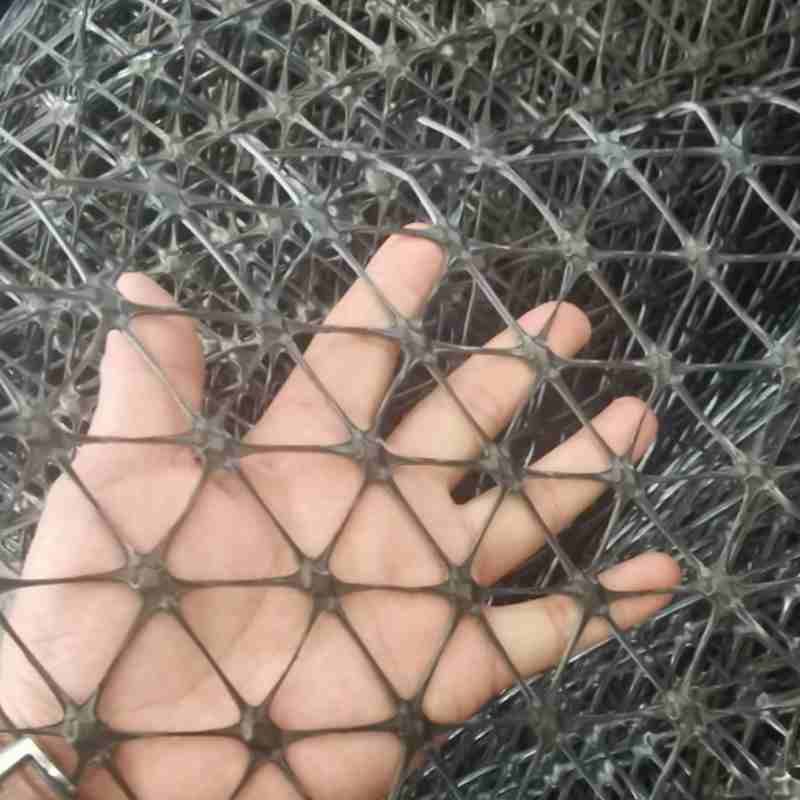
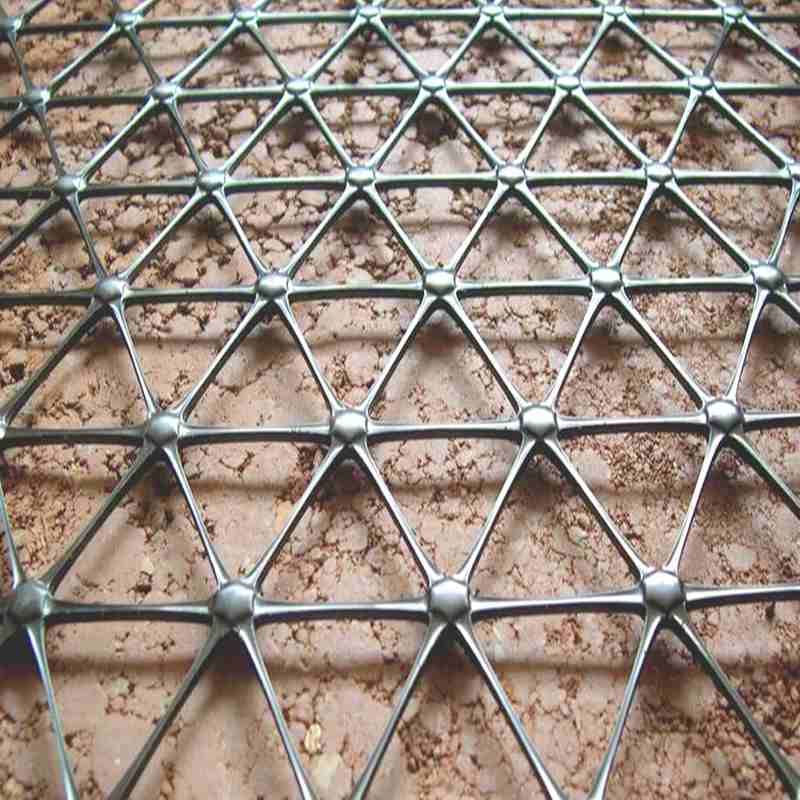
- Commodity name: Triaxial geogrids for civil engineering
- Description
-
Introduction
To give a boost to the road, Triaxial Geogrid is used as a key aspect in the development process. Triaxial Geogrid is a high-strength geosynthetic cloth that is designed to grant reinforcement and stabilization to the street structure. It works by means of distributing hundreds greater evenly, lowering stress on the avenue floor and stopping deformation or rutting.
By incorporating Triaxial Geogrid into the avenue construction, it helps to enhance the typical overall performance and durability of the road. It enhances the structural integrity and load-bearing potential of the road, making it extra long lasting and resistant to put on and tear.
In conclusion, the use of Triaxial Geogrid is vital in strengthening roads, making sure they can stand up to heavy site visitors and harsh climate stipulations for years to come.
Video Showcase
Applications
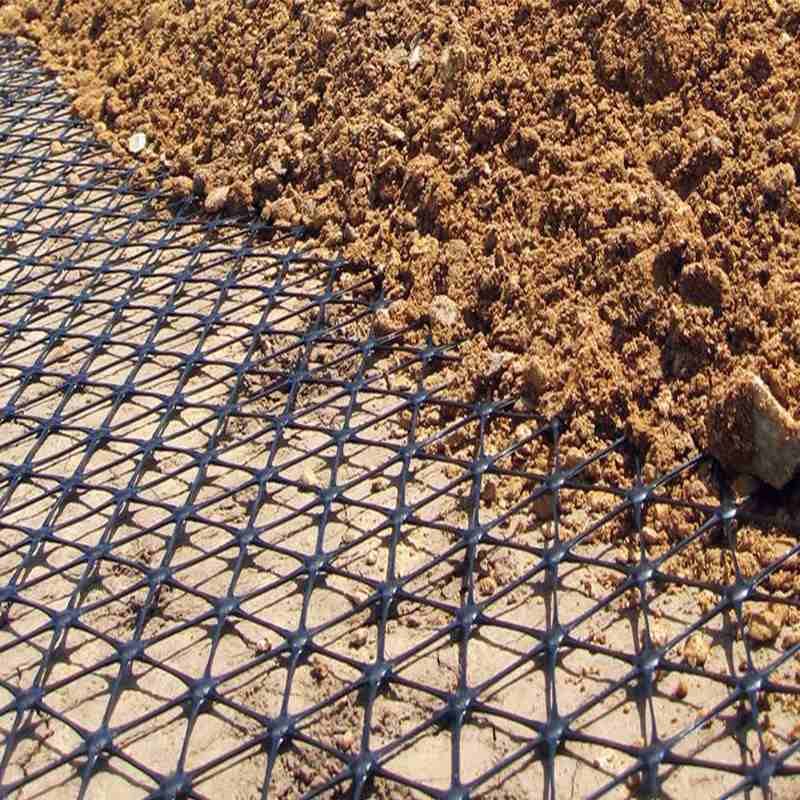
Subgrade stabilization: Triaxial geogrids are utilized to stabilize the subgrade of roadways by using distributing utilized hundreds and lowering differential settlement. They enhance the load-bearing potential of susceptible soils, lowering deformation and bettering universal avenue performance.
Base reinforcement: Triaxial geogrids are frequently positioned inside the base path layer of roads to enhance tensile strength, forestall reflective cracking, and extend structural stability. They assist disperse visitors loads evenly, lowering rutting and extending the provider existence of the road.
Pavement rehabilitation: Triaxial geogrids are usually used in pavement rehabilitation initiatives to reinforce and support present asphalt or concrete surfaces. By incorporating geogrids into the pavement layers, cracking and fatigue harm can be minimized, improving sturdiness and prolonging protection cycles.
Preventing reflective cracking: Triaxial geogrids assist mitigate the incidence of reflective cracking, which consequences from the propagation of cracks from the underlying layers to the floor asphalt or concrete. By appearing as a barrier and distributing imposed loads, geogrids limit the probability of cracks forming and reappearing on the avenue surface.
Subbase reinforcement: Triaxial geogrids can be employed in subbase layers to enhance load switch and decorate the balance of avenue foundations. By confining combination substances inside the geogrid structure, they expand shear strength, limit lateral spreading, and decorate universal structural integrity.
Slope stabilization: In street building initiatives involving steep embankments or avenue cuts, triaxial geogrids are used for slope stabilization. They supply reinforcement to forestall erosion, slippage, and slope failure, making sure the long-term steadiness of roadside slopes and reduce slopes.
Mechanically stabilized layers: Triaxial geogrids are built-in into automatically stabilized layers inside avenue building tasks to create composite buildings that face up to heavy visitors loads, decrease settlement, and beautify ordinary pavement performance. These geogrid-reinforced layers provide more advantageous tensile power and structural stability.
Reinforced soil walls: Triaxial geogrids are additionally utilized in the development of strengthened soil holding partitions alongside roads and highways. By reinforcing backfill soil with geogrid layers, these partitions can stand up to lateral earth pressure, manage soil movement, and furnish long-term stabilization for roadside structures.
Working Drawing


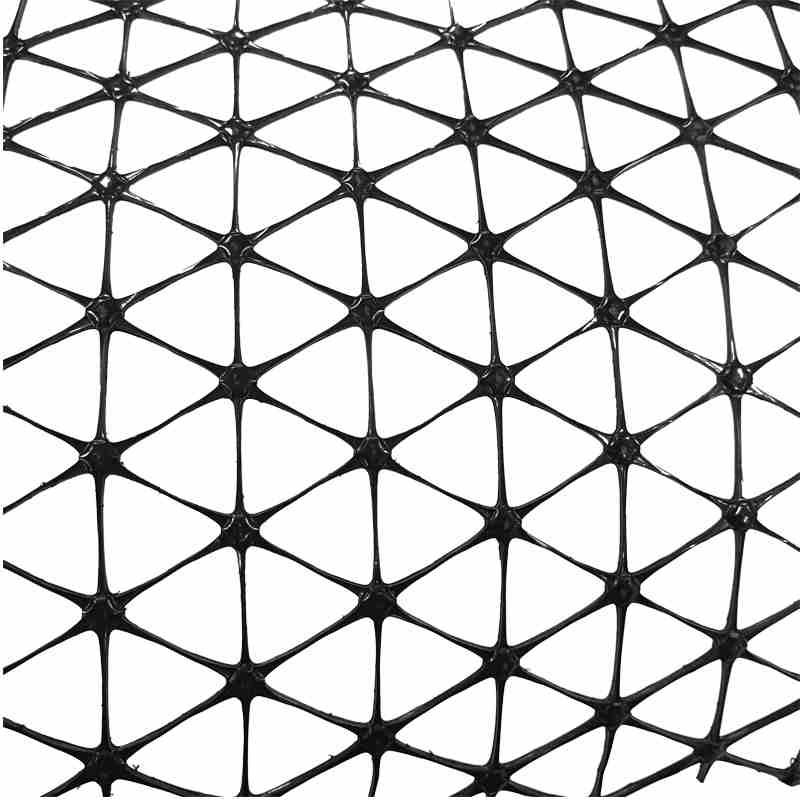
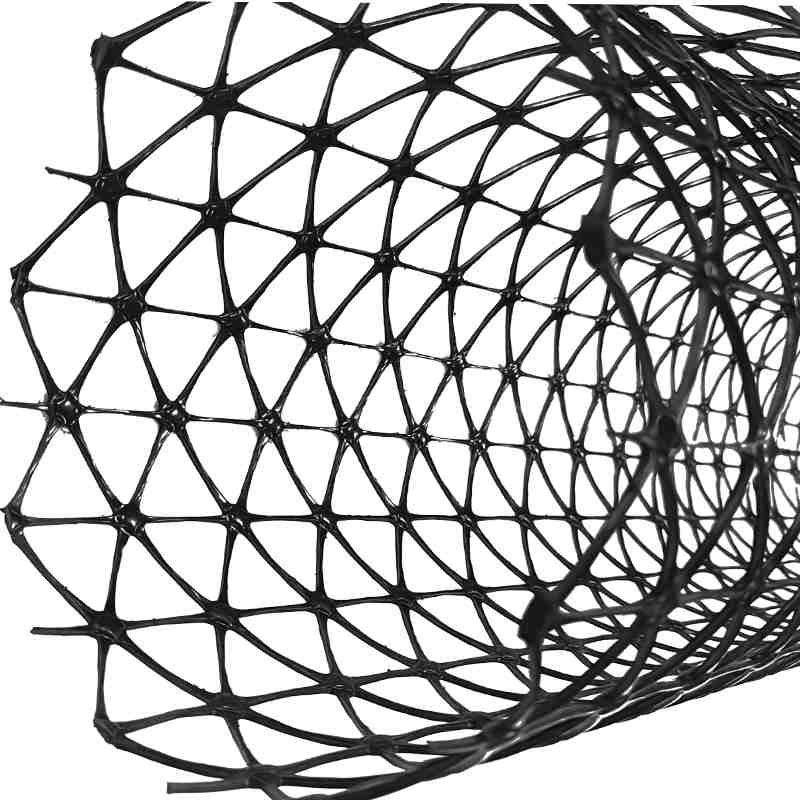
Specifications
Item
Test Method
Unit
Standard
Polymer
-
PP
Rib Middle Distance
-
mm
35
Minimum Carbon Black
ASTM D 4218
%
2
Radial Secant Stiffness at 2% Strain
ASTM D 6637
kN/m
225
Elongation
ASTM D 6637
%
13
Junction Efficiency
GRI GG2
%
96
Experimental Conditions
Temperature: 20℃
Roll Width
-
m
3.95
Roll Length
-
m
50
Note: MD = Machine Direction; TD = Transverse Direction.
(1) MD = Machine Direction; TD = Transverse Direction;
(2)Roll width can be 1m, 1.1m,1.3m,2m,2.2m or as per customized.
# Lin Yuan Geosynthetics reserves the right to change the product specifications at any time.
Pack and Ship
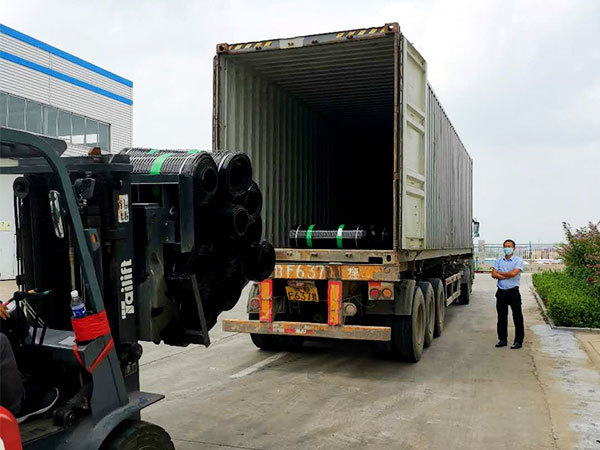
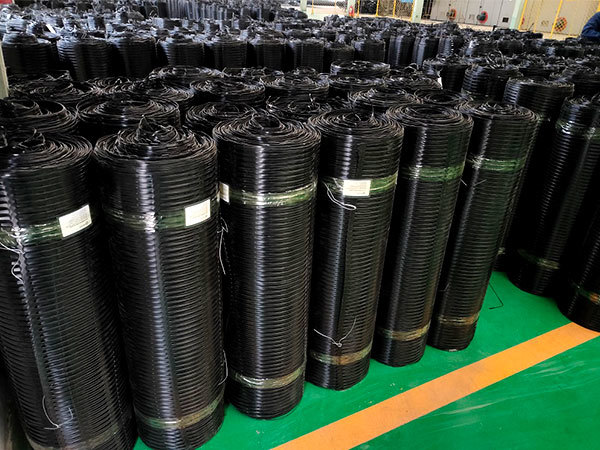
Packaging: Standard packaging or customer's requirements
Lead time: Within 10-15 days after receiving the deposit payment
Producing Capacity: Two 40ft Containers per week
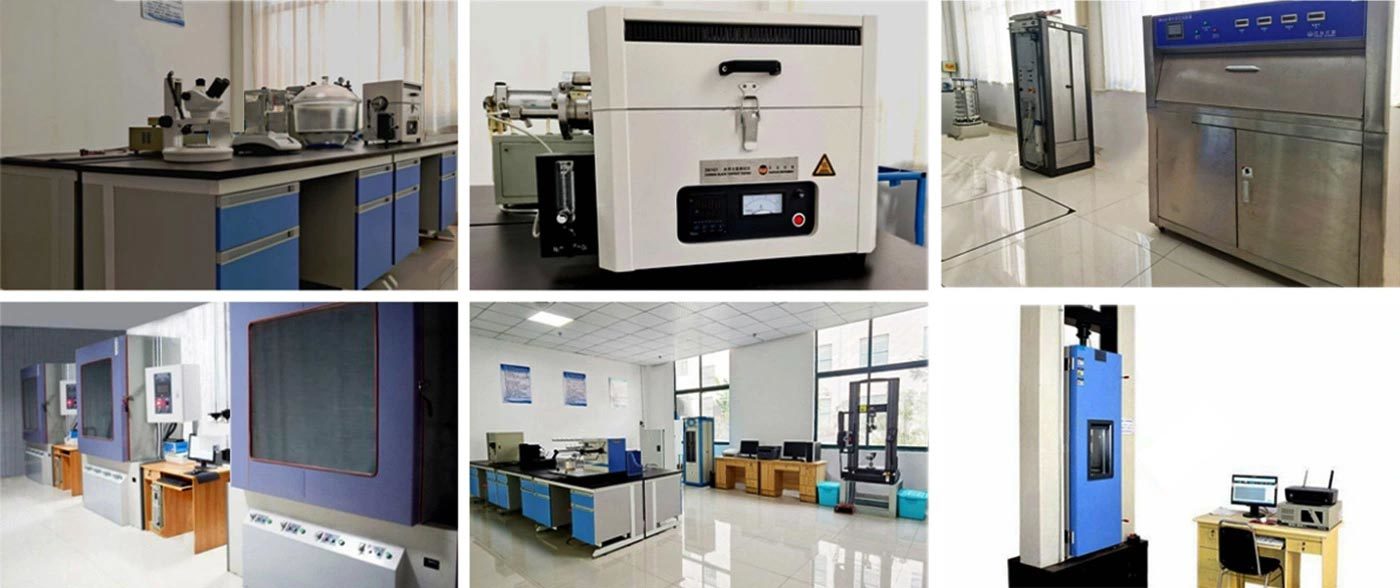
Testing equipment
FAQ
Q: What can you buy from us?
A: Geomembrane,Geogrid,Geocell, Geotextile, Geocomposite,
Q: Can I have a sample?
A: Yes. And sample free.
Q: What's the payment terms?
A: T/T or L/C. Others could be negotiated.
Q: What's the delivery time?
A: 3-20 days after confirming order, detail delivery date should be decided according to production season and order quantity.
Certificate


Keywords:
Related Products

Our Main Products
Contact Us
Address:No. 366, Industrial Park North Road, Beijipo District, High-tech Zone, Taian City, Shandong Province,China
Get a Free Quote


