

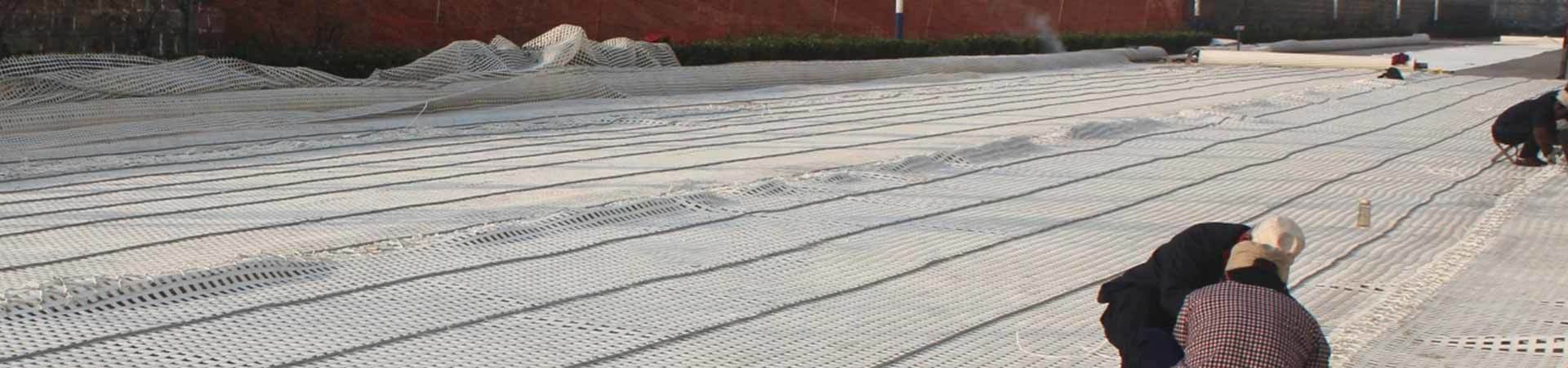
"Enhanced Performance with PP/HDPE Uniaxial Geogrid - Superior Features and Production Process"
Release Time:
2024-09-27

PP/HDPE Uniaxial Geogrid is a high-quality geosynthetic material that offers a wide range of benefits for various civil engineering and construction applications. Let's take a closer look at the key features and manufacturing process of this innovative product.
First, it's important to understand that PP/HDPE Uniaxial Geogrid is made from high-quality polypropylene (PP) or high-density polyethylene (HDPE) materials. These materials are known for their excellent strength, durability, and resistance to environmental factors such as UV exposure, chemicals, and temperature fluctuations.
The manufacturing process of PP/HDPE Uniaxial Geogrid involves extruding the polymer material into a flat sheet, then stretching it in one direction to create a series of ribs and apertures. This uniaxial stretching process helps to orient the polymer molecules in a specific direction, increasing the overall strength and stiffness of the geogrid.
One of the key features of PP/HDPE Uniaxial Geogrid is its high tensile strength. This allows the geogrid to effectively reinforce soil, aggregate, or other materials in a wide range of engineering applications such as road construction, slope stabilization, retaining wall construction, and embankment reinforcement. The high tensile strength of the geogrid helps to distribute the applied loads more evenly, reducing the risk of material failure or deformation.
In addition to its strength, PP/HDPE Uniaxial Geogrid also offers excellent flexibility and conformability. This flexibility allows the geogrid to easily conform to the shape of the underlying soil or material, ensuring a secure and reliable bond between the geogrid and the surrounding elements. The flexibility of the geogrid also helps to accommodate any settlement or movement of the soil, maintaining the integrity of the structure over time.
Another important feature of PP/HDPE Uniaxial Geogrid is its resistance to biological and chemical degradation. The polymer materials used in the manufacturing process are inherently resistant to microbial growth, chemical attack, and environmental degradation. This ensures that the geogrid will maintain its structural integrity and performance over the long term, even in harsh or corrosive environments.
Overall, PP/HDPE Uniaxial Geogrid is a versatile and reliable geosynthetic material that offers a wide range of benefits for civil engineering and construction projects. Its high tensile strength, flexibility, and resistance to degradation make it an ideal choice for reinforcing soil, stabilizing slopes, and improving the overall performance of geotechnical structures. Whether you're building a new road, constructing a retaining wall, or reinforcing an embankment, PP/HDPE Uniaxial Geogrid is a cost-effective and sustainable solution that will help you achieve your project goals with confidence.
Related News
Our Main Products
Contact Us
Address:No. 366, Industrial Park North Road, Beijipo District, High-tech Zone, Taian City, Shandong Province,China
Get a Free Quote


