

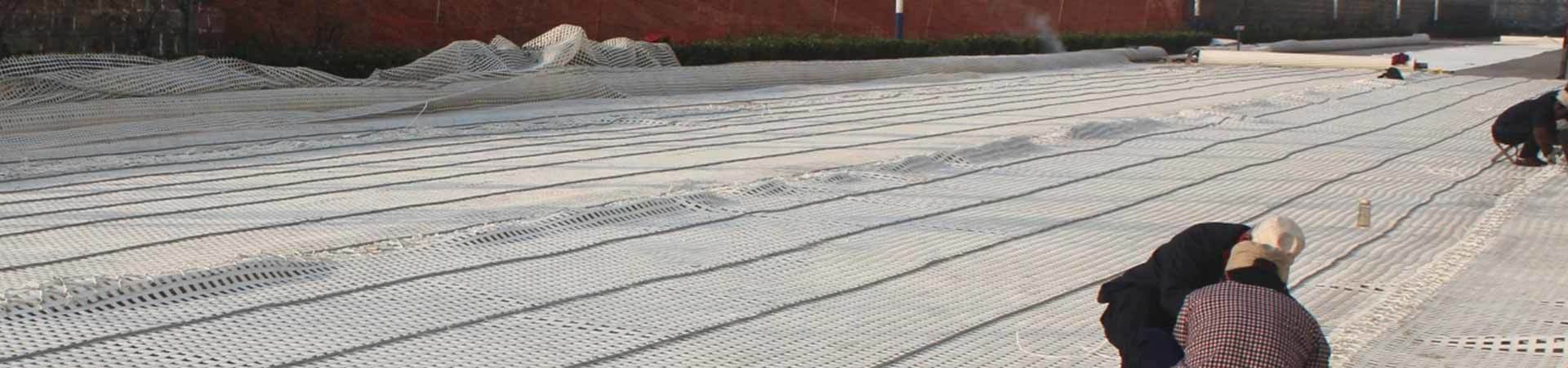
Varied materials used in non-woven geotextiles
Release Time:
2024-04-22

Non-woven geotextile fabrics are highly versatile and are available in a variety of different materials to suit different project needs. As a professional salesperson, it is crucial to understand the unique characteristics of each material and be able to effectively communicate this information to customers.
One common type of non-woven geotextile fabric is made from polypropylene. This material is known for its excellent strength and durability, making it ideal for applications that require high tensile strength and resistance to tearing. Polypropylene geotextiles are also resistant to chemicals and UV radiation, making them suitable for use in a variety of environmental conditions.
Another popular material used in non-woven geotextile fabrics is polyester. Polyester geotextiles are known for their high resistance to stretching and shrinking, making them ideal for projects that require stability and long-term performance. Additionally, polyester geotextiles have excellent resistance to biological degradation, making them suitable for use in applications where exposure to organic materials is a concern.
In addition to polypropylene and polyester, non-woven geotextile fabrics can also be made from materials such as polyethylene, polyamide, and fiberglass. Each of these materials has its own unique characteristics and advantages, and it is important for salespeople to be able to effectively communicate these differences to customers.
When discussing the different materials used in non-woven geotextile fabrics, it is important to consider factors such as project requirements, environmental conditions, and budget constraints. By understanding the unique characteristics of each material and being able to explain the benefits of each option, salespeople can help customers make informed decisions that will lead to successful project outcomes.
In conclusion, non-woven geotextile fabrics are available in a variety of different materials, each with its own unique characteristics and advantages. As a professional salesperson, it is important to understand these differences and be able to effectively communicate them to customers in order to help them make informed decisions and choose the best material for their specific project needs.
Related News
Our Main Products
Contact Us
Address:No. 366, Industrial Park North Road, Beijipo District, High-tech Zone, Taian City, Shandong Province,China
Get a Free Quote


