

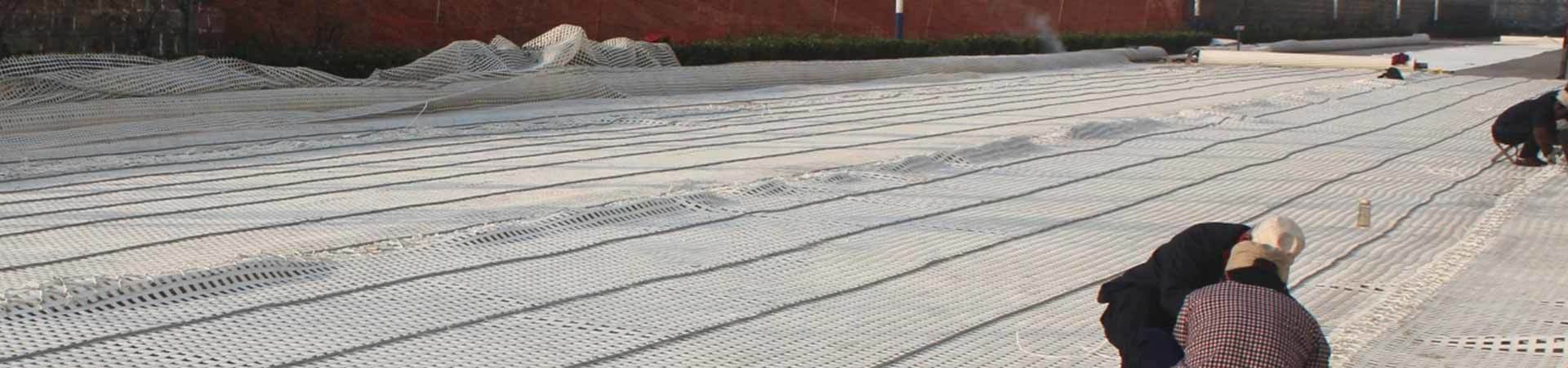
Contrasts among non-woven geotextile materials
Release Time:
2024-05-15

Non-woven geotextile and woven geotextile are two common types of geotextile materials used in civil engineering and construction projects. As a professional in the sales industry, it is crucial to understand the key differences between these two materials in order to provide accurate information and recommendations to customers.
Non-woven geotextile is made from synthetic fibers that are bonded together through a process of heat and pressure. This results in a fabric that is strong, durable, and resistant to tearing. Non-woven geotextile is commonly used for filtration, drainage, and separation applications in projects such as road construction, landfills, and erosion control. Its non-directional structure allows for water and gases to flow freely through the fabric, making it an ideal choice for applications where permeability is essential.
On the other hand, woven geotextile is made from weaving together individual threads or yarns to create a strong and stable fabric. Woven geotextile is best suited for applications that require high tensile strength and puncture resistance, such as in retaining walls, embankments, and reinforcement of soil structures. The woven structure of this material provides excellent stabilization and reinforcement properties, making it an ideal choice for projects that require additional support and load distribution.
In summary, the key differences between non-woven and woven geotextile lie in their manufacturing processes and structural properties. Non-woven geotextile is more porous and flexible, allowing for excellent filtration and drainage capabilities, while woven geotextile offers superior strength and stability for applications that require reinforcement and support.
As a professional in the sales industry, it is important to understand these distinctions in order to provide accurate information and guidance to customers. By highlighting the unique characteristics and advantages of each type of geotextile material, you can help customers make informed decisions that best suit their specific project requirements.
Related News
Our Main Products
Contact Us
Address:No. 366, Industrial Park North Road, Beijipo District, High-tech Zone, Taian City, Shandong Province,China
Get a Free Quote


