


80-80kn 100-100kn Fiberglass Geogrid Price
- Commodity name: 80-80kn 100-100kn Fiberglass Geogrid Price
- Description
-
Introduction
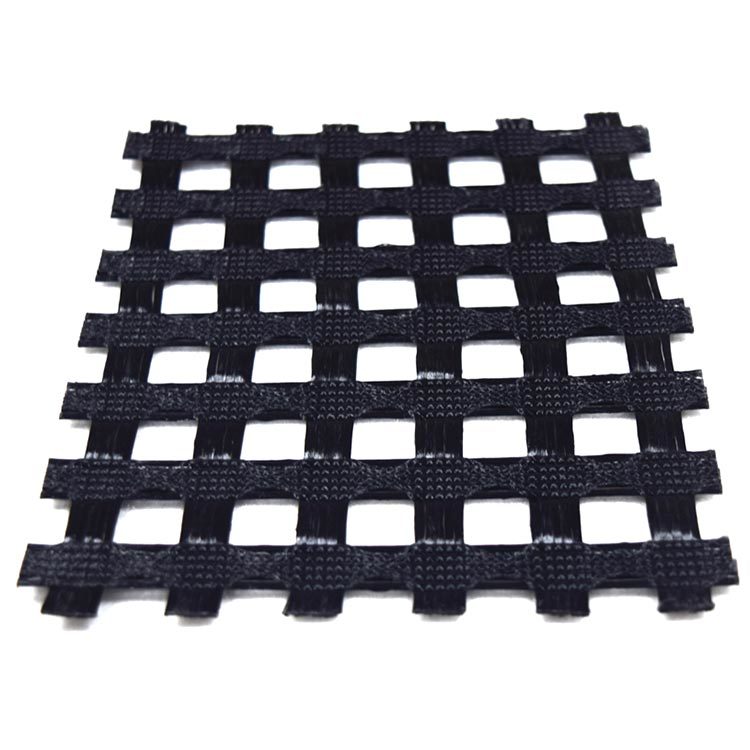
Fiberglass geogrid is a high-strength geosynthetic material made from continuous fiberglass yarns that are coated with a polymer resin. This geogrid is designed to provide reinforcement and stabilization in various civil engineering and construction applications.
One of the key benefits of fiberglass geogrid is its exceptional tensile strength and modulus, which allows it to effectively distribute loads and restrain lateral movement in soil or aggregate materials. This makes it ideal for use in roadway construction, embankments, retaining walls, slope reinforcement, and other applications where soil stabilization is necessary.
In addition to its strength, fiberglass geogrid is also highly durable and resistant to environmental factors such as moisture, chemicals, and temperature fluctuations. This ensures that the geogrid maintains its integrity and performance over an extended period of time, even in harsh conditions.
Installation of fiberglass geogrid is relatively simple and can be done using standard construction equipment. The geogrid is typically laid out on the prepared subgrade or soil surface and then covered with additional layers of fill material. This creates a stable and reinforced structure that can withstand heavy loads and prevent soil erosion.
Overall, fiberglass geogrid is a versatile and reliable geosynthetic material that offers excellent strength, durability, and performance in a wide range of civil engineering and construction applications. Its ability to provide reinforcement and stabilization makes it a valuable asset for projects that require long-term stability and structural integrity.Video Showcase
Applications
Fiberglass geogrid is a type of geosynthetic material that is widely used in civil engineering and construction projects. It is made of high-strength fiberglass yarns that are coated with a PVC or polymer resin. The grid structure provides excellent tensile strength and modulus, making it ideal for reinforcing and stabilizing various types of soil, aggregates, and asphalt layers.
One of the main applications of fiberglass geogrid is in the construction of roads and pavements. It is commonly used to reinforce the base and subbase layers of roadways, improving their load-bearing capacity and resistance to deformation. By distributing the load more evenly across the pavement structure, fiberglass geogrid helps to prevent cracking, rutting, and other forms of distress.
Fiberglass geogrid is also used in the construction of retaining walls and slopes. By incorporating geogrid layers into the soil, engineers can increase the overall stability of the structure and reduce the risk of erosion or landslides. This is particularly important in areas with steep terrain or poor soil conditions, where conventional methods of reinforcement may not be sufficient.
In addition to roadways and slopes, fiberglass geogrid can be used in a variety of other applications, including landfills, embankments, and foundation stabilization. Its durability, high tensile strength, and resistance to chemical and biological degradation make it a versatile and cost-effective solution for a wide range of geotechnical challenges.
Overall, fiberglass geogrid is a valuable tool for improving the performance and longevity of civil engineering projects. Its ability to enhance the structural integrity of soil and aggregate materials, while also reducing construction costs and environmental impact, has made it a popular choice for engineers and contractors worldwide. Whether it's reinforcing a road or stabilizing a slope, fiberglass geogrid offers a reliable and efficient solution for a wide range of geotechnical applications.Working Drawing


Specifications
Notes MD = Machine Direction; TD = Transverse Direction
Pack and Ship
Packaging: Standard packaging or customer's requirements
Lead time: Within 10-15 days after receiving the deposit payment
Producing Capacity: Two 40ft Containers per week


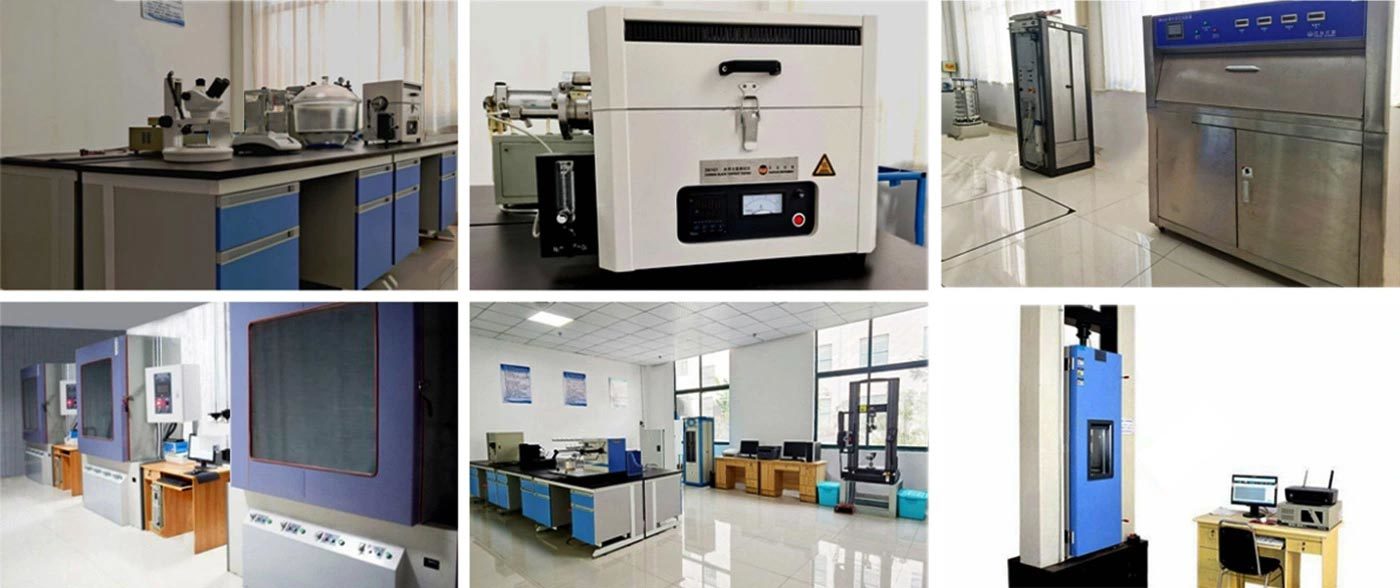
Testing equipment
FAQ
Q: What can you buy from us?
A: Geomembrane,Geogrid,Geocell, Geotextile, Geocomposite,
Q: Can I have a sample?
A: Yes. And sample free.
Q: What's the payment terms?
A: T/T or L/C. Others could be negotiated.
Q: What's the delivery time?
A: 3-20 days after confirming order, detail delivery date should be decided according to production season and order quantity.
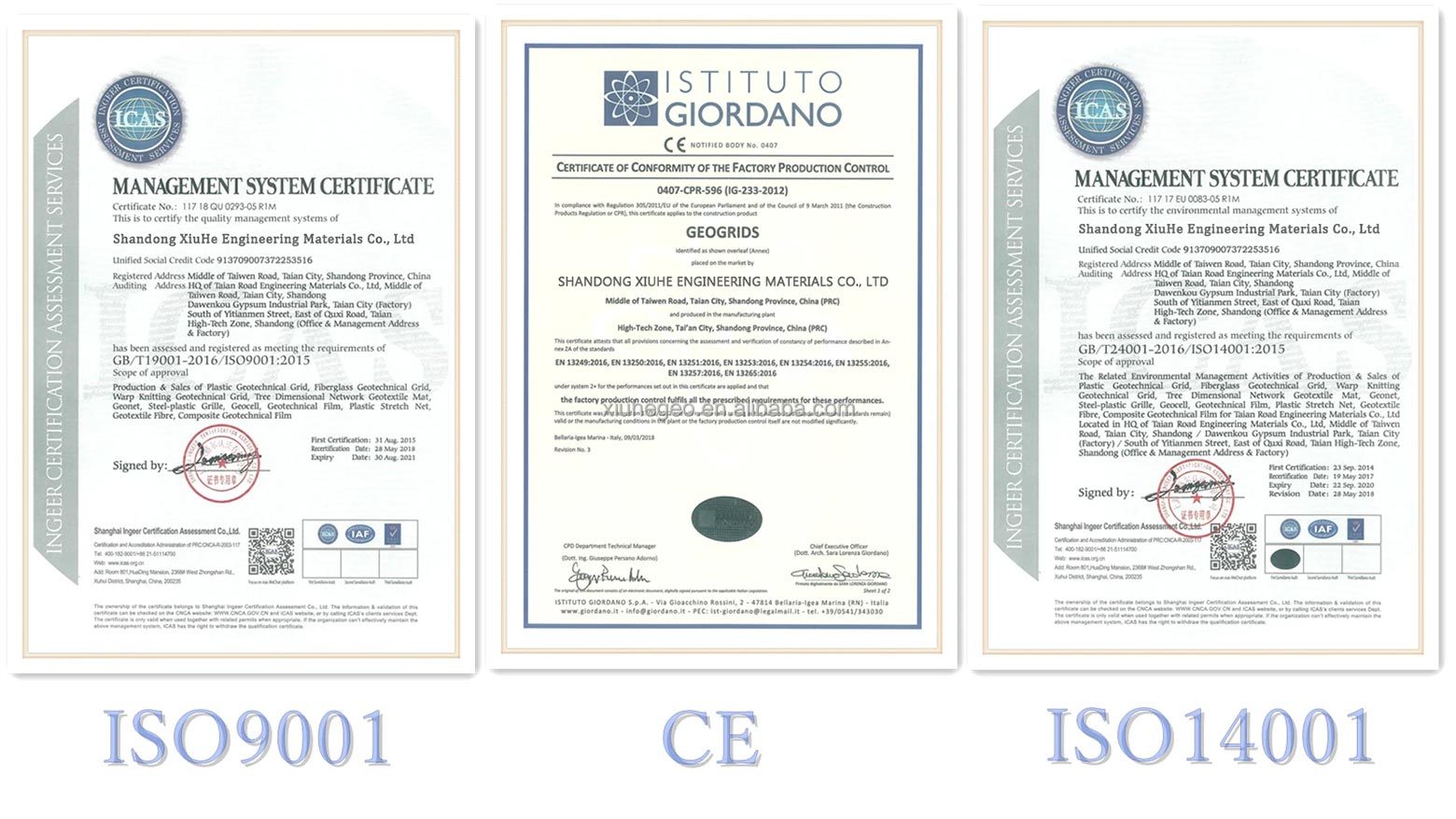
Certificate

Keywords:
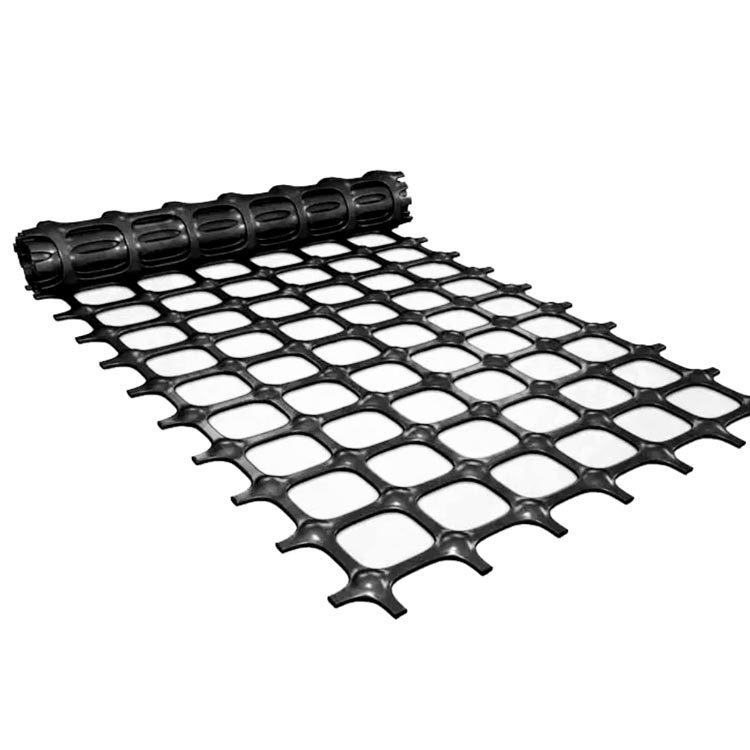
Related Products


Our Main Products
Contact Us
Address:No. 366, Industrial Park North Road, Beijipo District, High-tech Zone, Taian City, Shandong Province,China
Get a Free Quote


