


Fiberglass Geogrid Road Reinforcement Fiberglass Geogrid for Asphalt Reinforcement
- Commodity name: Fiberglass Geogrid Road Reinforcement Fiberglass Geogrid for Asphalt Reinforcement
- Description
-
Introduction
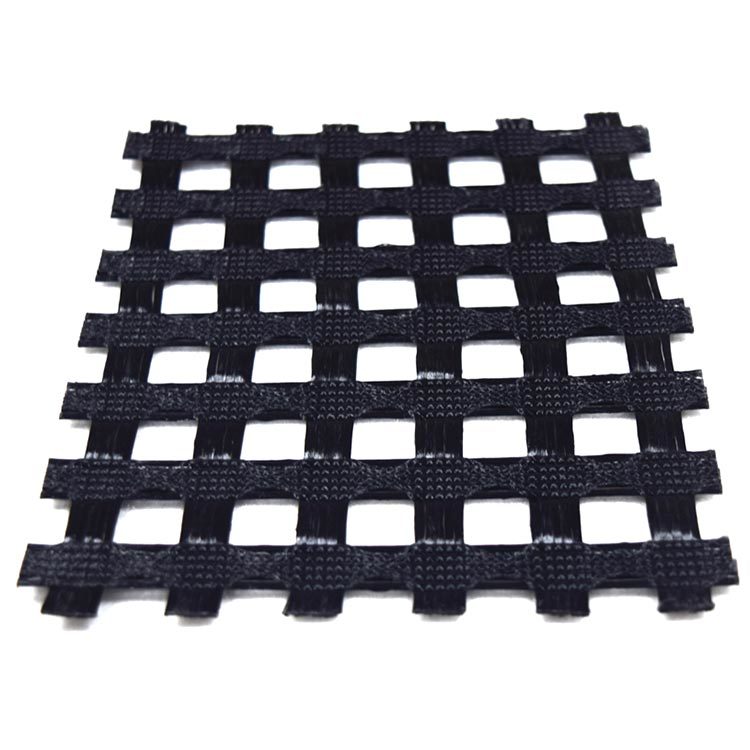
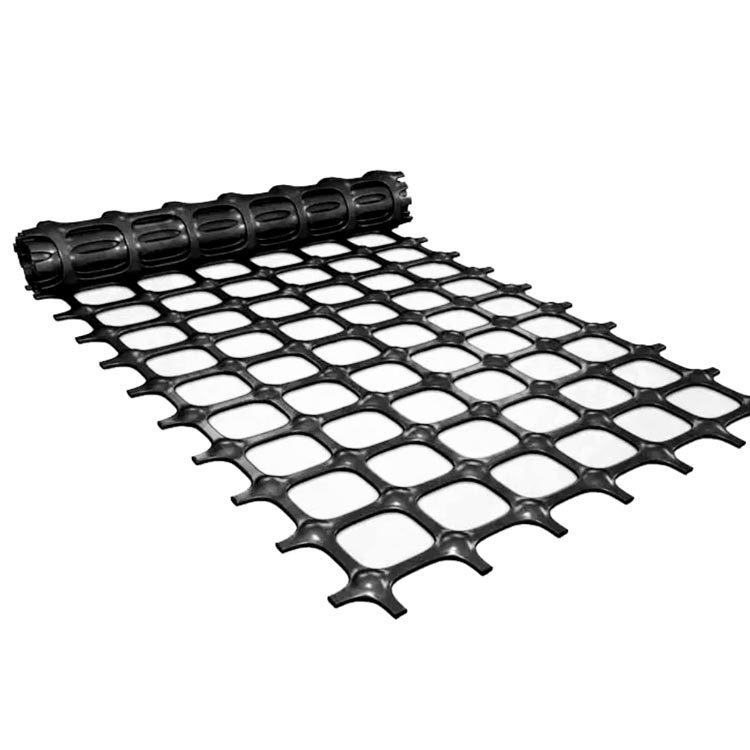
Fiberglass geogrid is a geosynthetic material commonly used for soil reinforcement and stability in civil engineering projects. It is woven from high-strength glass fiber yarn, forming a sturdy and durable mesh structure. The main function of fiberglass geogrid is to provide support and reinforcement for the soil, help prevent soil erosion, improve load distribution, and enhance the overall stability of the ground.
One of the key advantages of fiberglass geogrid is its customizability. This means that it can be customized according to the specific requirements of the construction project. Whether you need geogrids with higher tensile strength, different grid sizes, or specific coatings to improve performance, fiberglass geogrids can be customized according to your needs. This customized level ensures that the geogrid achieves optimal performance in your specific application, providing a more reliable and cost-effective solution.
To customize fiberglass geogrids, several factors need to be considered. These factors include the type of soil being reinforced, expected traffic loads, terrain slopes, and any environmental factors that may affect the performance of the geogrid. By analyzing these factors and working closely with geogrid manufacturers, customized geogrid solutions that meet the unique requirements of the project can be designed.
The customization process typically involves selecting the appropriate type of fiberglass yarn, determining the optimal mesh size and spacing, and selecting the correct coating or treatment method for the geogrid. These decisions are based on the specific requirements of the project and the expected performance characteristics of the geogrid. By collaborating with geogrid manufacturers who offer customized services, you can ensure that the final product meets your exact specifications and provides the performance you need.
Video Showcase
Applications
- Road and pavement engineering: Fiberglass geogrid is used to enhance asphalt pavement, cement pavement and subgrade, prevent road reflection cracks, extend road service life. It can reduce ruts by more than 50% and lay asphalt concrete layer in the original severely cracked asphalt concrete pavement, effectively preventing and delaying the occurrence of reflection cracks.
- Railway engineering: used in railway subgrade, track bed, and slope protection to improve the stability and bearing capacity of railways.
- Embankment and flood control engineering: used to reinforce and stabilize embankments, flood walls, and riverbanks, and improve soil erosion resistance.
- Slope and embankment reinforcement: used for the reinforcement and protection of slopes and embankments to prevent landslides and erosion.
- Reinforcement of mines and quarries: In mining and quarry engineering, it is used for soil reinforcement and protection to prevent soil collapse and landslides.
- Environmental engineering: used in environmental engineering such as sewage treatment plants and landfills to enhance foundation stability, prevent soil pollution and sewage leakage.
- Soft soil foundation reinforcement: On soft soil foundation, fiberglass geogrid can improve the bearing capacity of soil, prevent settlement and deformation
- Airport runway: used for maintenance and enhancement of airport runways, improving their load-bearing capacity and durability.
- Seawall and deep-sea operations: Suitable for deep-sea operations, embankment reinforcement, and solving the problems of low strength, poor corrosion resistance, and short service life of other materials caused by long-term seawater erosion.
- Reinforcement of concrete and asphalt: In the application of asphalt and concrete, fiberglass geogrids can improve the mechanical properties of road surfaces, provide crack resistance and higher bearing capacity.
- Intelligent grid application: Fiberglass geogrids can also be embedded with fiber optic sensors for structural health monitoring, such as monitoring railway track deformation.
Working Drawing


Specifications
Notes MD = Machine Direction; TD = Transverse Direction
Pack and Ship
Packaging: Standard packaging or customer's requirements
Lead time: Within 10-15 days after receiving the deposit payment
Producing Capacity: Two 40ft Containers per week


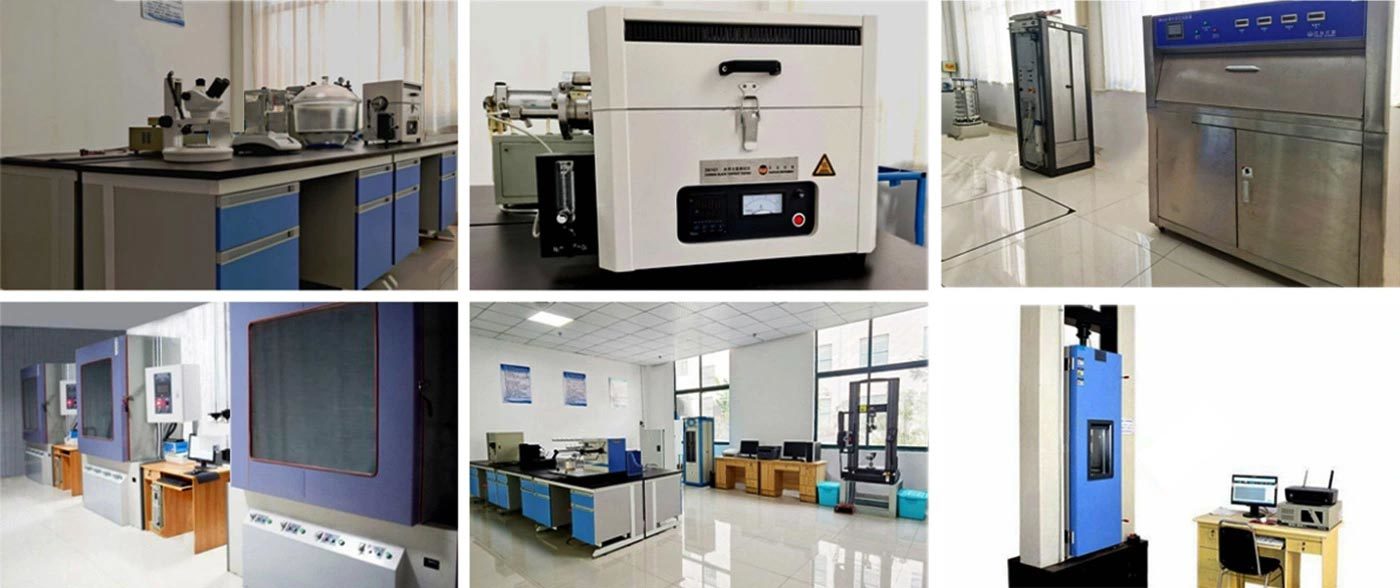
Testing equipment
FAQ
Q: What can you buy from us?
A: Geomembrane,Geogrid,Geocell, Geotextile, Geocomposite,
Q: Can I have a sample?
A: Yes. And sample free.
Q: What's the payment terms?
A: T/T or L/C. Others could be negotiated.
Q: What's the delivery time?
A: 3-20 days after confirming order, detail delivery date should be decided according to production season and order quantity.
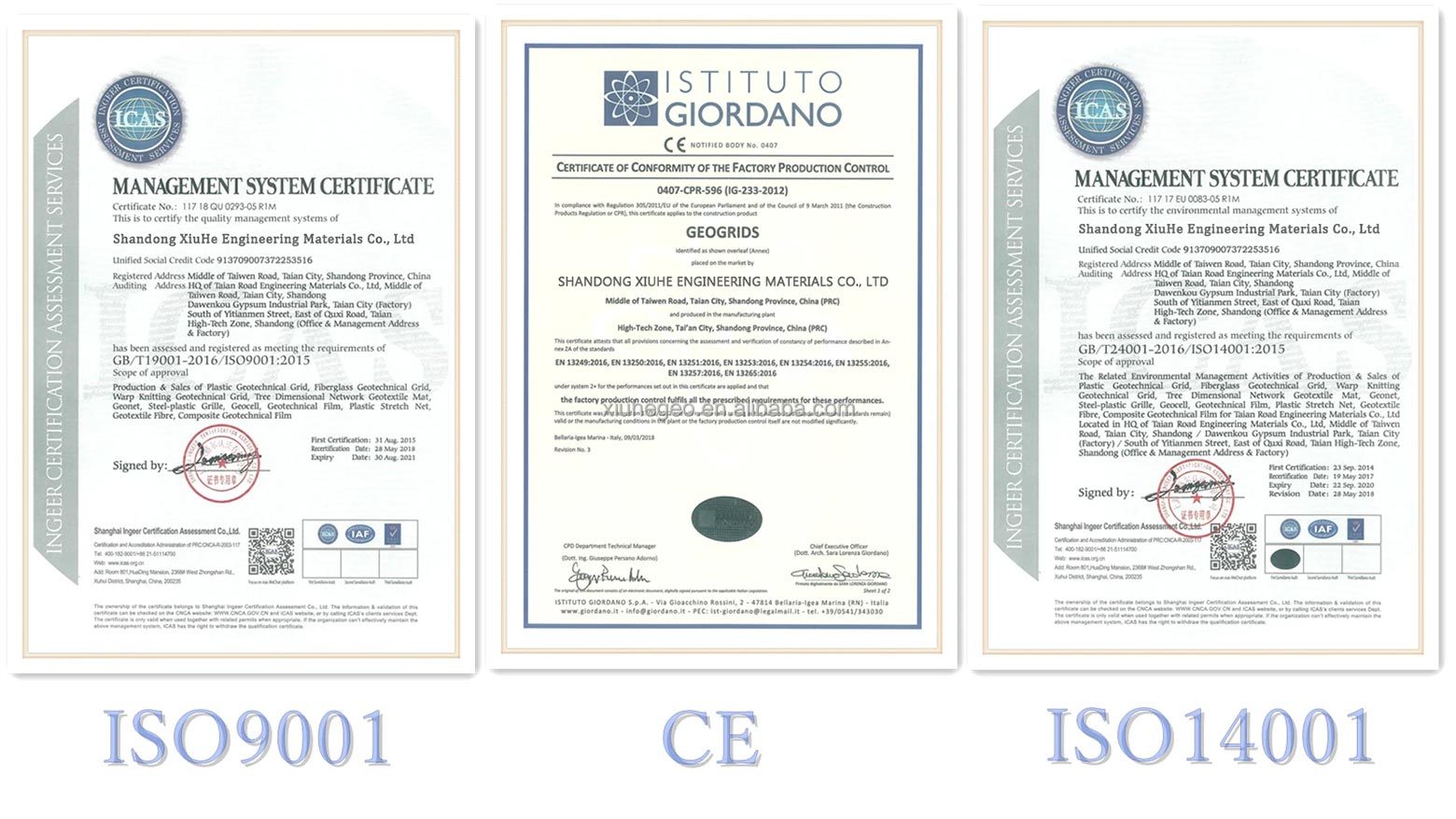
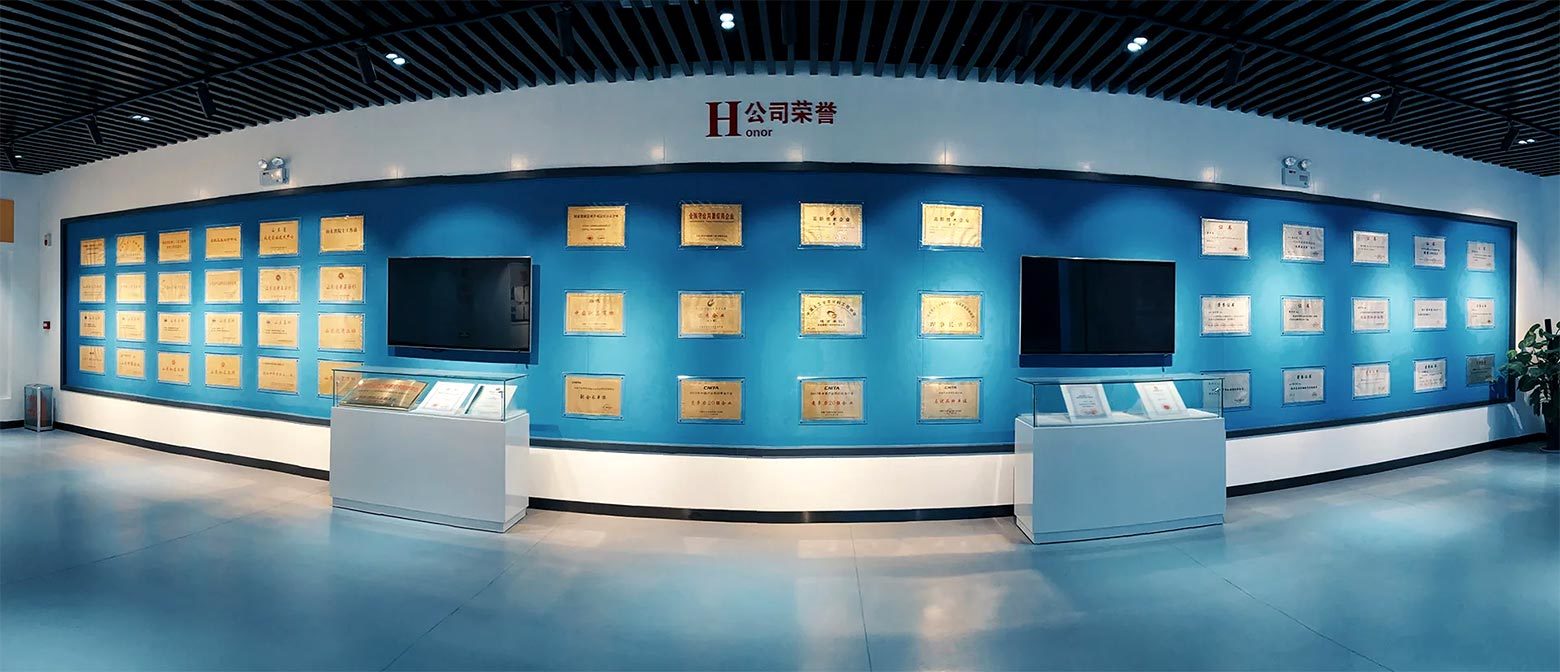
Certificate
Keywords:
Related Products


Our Main Products
Contact Us
Address:No. 366, Industrial Park North Road, Beijipo District, High-tech Zone, Taian City, Shandong Province,China
Get a Free Quote


