

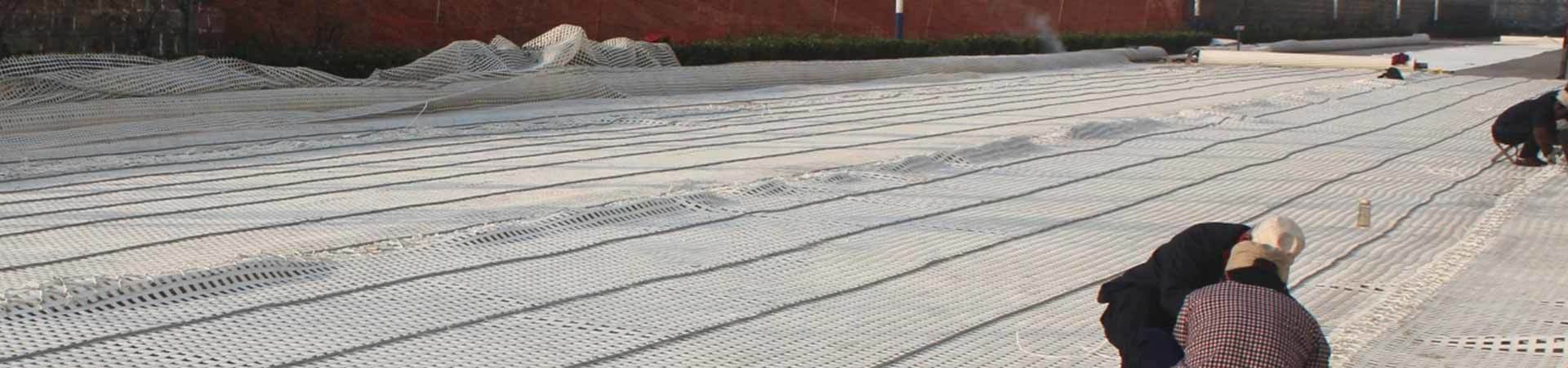
Tips for laying Fiberglass Geogrid: maximize performance.
Release Time:
2024-10-11

When it comes to laying fiberglass geogrid, there are several important considerations to keep in mind in order to ensure optimal performance and long-term durability. Fiberglass geogrid is a high-strength, flexible material commonly used in civil engineering projects for soil reinforcement, slope stabilization, and pavement reinforcement. Here are some key points to consider when laying fiberglass geogrid:
1. Proper preparation of the subgrade: Before laying the geogrid, it is essential to properly prepare the subgrade to ensure a stable foundation. This may involve grading the soil, removing any debris or vegetation, and compacting the subgrade to achieve the desired density.
2. Correct orientation of the geogrid: Fiberglass geogrid is typically available in both uniaxial and biaxial configurations, with different strength properties in each direction. It is important to ensure that the geogrid is oriented correctly during installation to maximize its reinforcing capabilities. For example, in pavement reinforcement applications, the geogrid should be placed perpendicular to the direction of traffic load.
3. Proper overlap and seam construction: When installing multiple rolls of geogrid, it is important to ensure that there is proper overlap between adjacent rolls to create a continuous reinforcement layer. Additionally, seams should be constructed according to manufacturer recommendations to ensure a strong and durable connection between geogrid panels.
4. Secure anchoring of the geogrid: In order for the geogrid to effectively reinforce the soil or pavement, it must be securely anchored to the subgrade. This can be achieved using various methods, such as anchoring pins, stakes, or mechanical connectors, depending on the specific application and site conditions.
5. Avoid sharp bends and folds: Fiberglass geogrid is a flexible material that can conform to the shape of the subgrade, but care should be taken to avoid sharp bends or folds that can compromise the integrity of the geogrid. Bends should be gradual and smooth to maintain the strength and stability of the reinforcement system.
6. Proper compaction and cover material: After laying the geogrid, it is important to properly compact the soil or aggregate cover material to ensure adequate confinement and load distribution. This will help maximize the performance of the geogrid and prevent potential damage or failure.
In conclusion, laying fiberglass geogrid requires careful planning, proper installation techniques, and adherence to manufacturer guidelines to ensure the desired performance and longevity of the reinforcement system. By following these key considerations, you can achieve a successful and durable geogrid installation that meets the requirements of your project.
Related News
Our Main Products
Contact Us
Address:No. 366, Industrial Park North Road, Beijipo District, High-tech Zone, Taian City, Shandong Province,China
Get a Free Quote


